Crossing the Boundaries of Landscape Sikani Land Art
MONTI SICANI
Farm con Sant’Angelo Muxaro
ABOUT
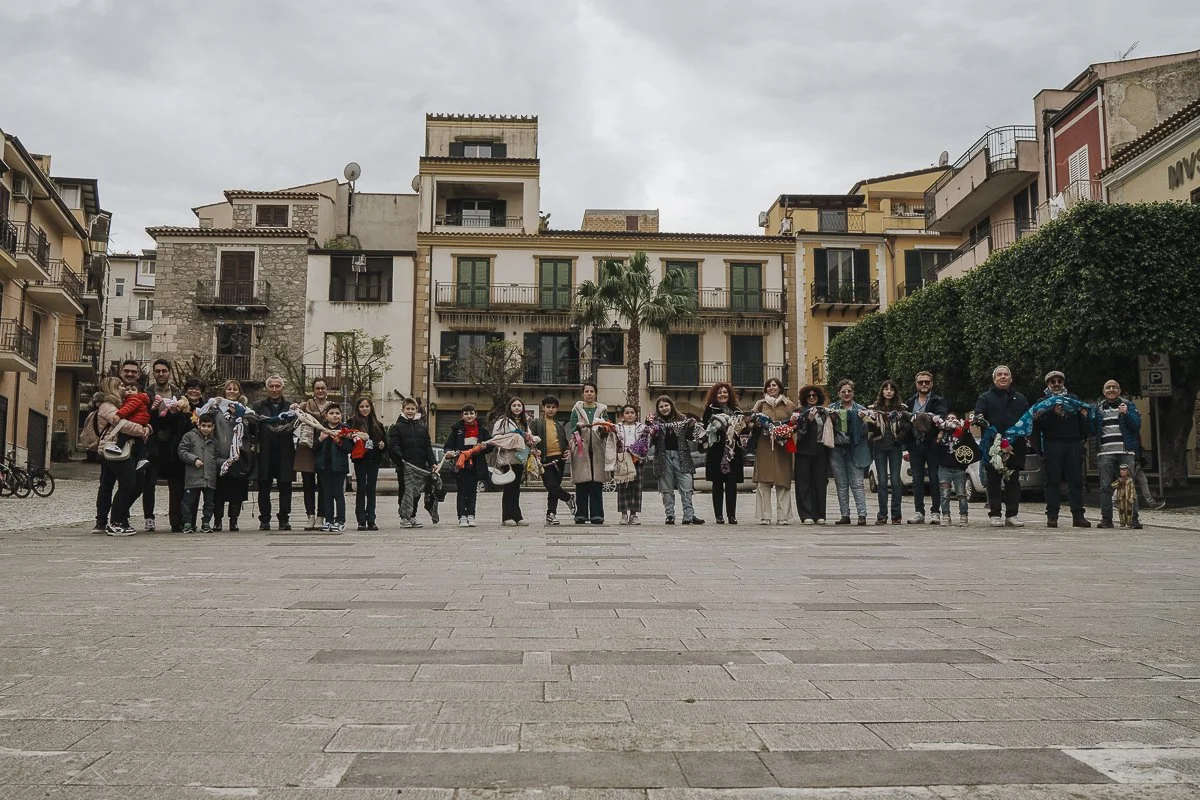
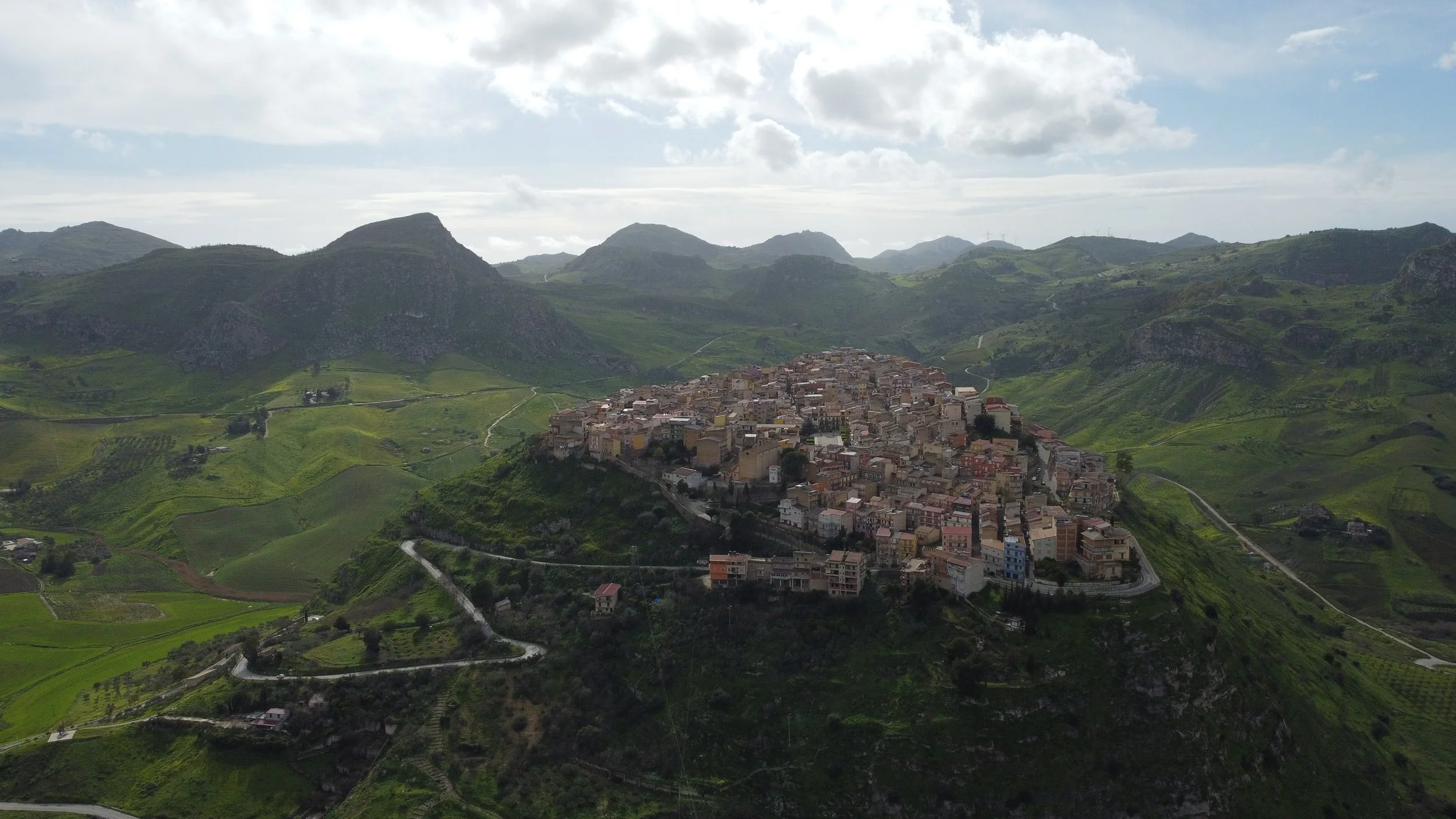

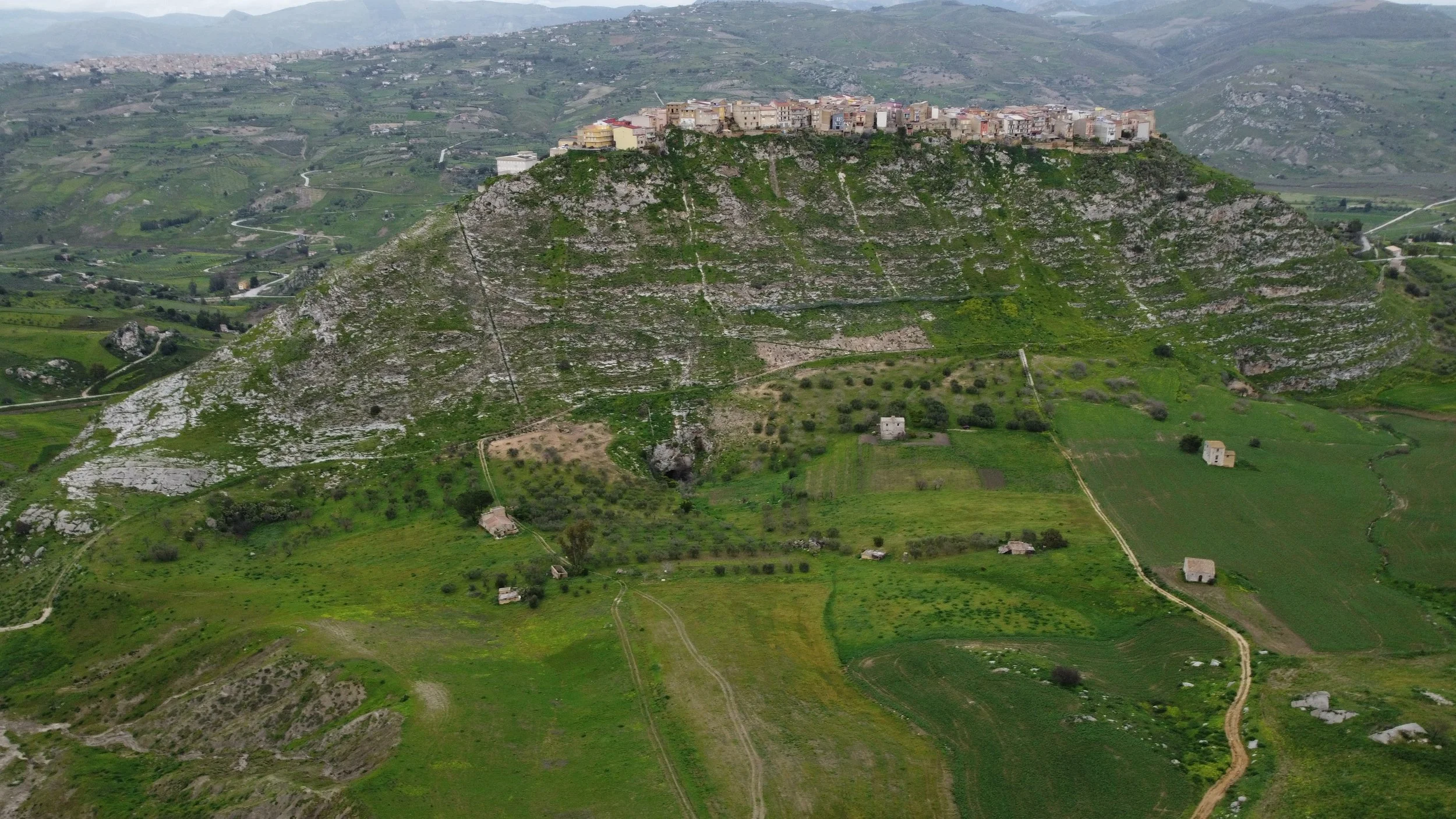
Sant’Angelo Muxaro, nel cuore dei Monti Sicani, è un luogo che custodisce oltre tremila anni di storia. Antico centro della civiltà Sicana, segnato dalle tombe a Thòlos e da preziosi ritrovamenti archeologici che testimoniano un passato precedente alla colonizzazione greca, il paese racconta una Sicilia profonda, arcaica, stratificata. Per secoli ha vissuto in equilibrio tra paesaggio, agricoltura e comunità, fino ad attraversare nel Novecento le ferite dello spopolamento e dell’emigrazione. Negli ultimi vent’anni, grazie al lavoro di Pierfilippo Spoto e al progetto Val di kam, Sant’Angelo Muxaro ha conosciuto una nuova stagione. Non un turismo di consumo, ma un turismo relazionale; non semplici visite, ma esperienze condivise. Il paese è diventato un laboratorio di ospitalità consapevole, dove l’incontro tra abitanti e visitatori genera valore culturale e umano, e dove il paesaggio non è sfondo ma protagonista. Nel 2026 questo percorso si intreccia con una nuova visione. Sant’Angelo Muxaro diventa uno dei luoghi principali della seconda edizione di RADICAL SHE – Women Quadriennial of Art and Society, il progetto internazionale ideato da Farm Cultural Park che indaga il femminile come postura politica, culturale e sociale attraverso l’arte contemporanea. Qui prende forma Sikani Land Art – Crossing the Boundaries of Landscape: cinque artiste internazionali — in realtà otto voci grazie alla presenza di un collettivo — abitano cinque siti nel paesaggio di Sant’Angelo Muxaro, attraverso cinque residenze artistiche in cui il tempo dell’ascolto e della cura precederà ogni gesto creativo. Non si tratta di collocare opere nello spazio, ma di attivare processi. Le residenze diventano attraversamenti lenti del territorio, dialoghi con la memoria, esercizi di prossimità con la comunità. Il paesaggio viene interrogato come archivio vivente, e l’arte come strumento per immaginare una nuova grammatica del potere: più inclusiva, più radicata, più capace di tenere insieme differenze e relazioni.
Sant’Angelo Muxaro, in the heart of the Sicani Mountains, is a place that holds over three thousand years of history. An ancient center of the Sicanian civilization, marked by tholos tombs and precious archaeological finds that testify to a past predating Greek colonization, the village tells of a deep, archaic, and layered Sicily. For centuries, it lived in balance between landscape, agriculture, and community, until the 20th century brought the wounds of depopulation and emigration. Over the past twenty years, thanks to the work of Pierfilippo Spoto and the Val di Kam project, Sant’Angelo Muxaro has entered a new phase. Not a tourism of consumption, but a relational tourism; not simple visits, but shared experiences. The village has become a laboratory of conscious hospitality, where encounters between residents and visitors generate cultural and human value, and where the landscape is not a backdrop but a protagonist. In 2026, this journey intertwines with a new vision. Sant’Angelo Muxaro becomes one of the main locations of the second edition of RADICAL SHE – Women Quadriennial of Art and Society, the international project conceived by Farm Cultural Park, which explores the feminine as a political, cultural, and social stance through contemporary art. Here takes shape Sikani Land Art – Crossing the Boundaries of Landscape: five international artists — in fact eight voices thanks to the presence of a collective — inhabit five sites within the landscape of Sant’Angelo Muxaro through five artistic residencies, where the time of listening and care precedes any creative gesture. This is not about placing artworks in space, but about activating processes. The residencies become slow traversals of the territory, dialogues with memory, exercises in proximity with the community. The landscape is approached as a living archive, and art as a tool to imagine a new grammar of power: more inclusive, more rooted, more capable of holding together differences and relationships.
Zina Saro-Wiwa
Mi sono trovata subito a vivere una grande difficoltà: essere in un luogo così bello, mentre venivo a sapere che Stati Uniti e Israele avevano appena attaccato l’Iran. Soprattutto mentre riflettevo sui pericoli che stavamo affrontando come mondo e su quanto il mio lavoro fosse profondamente influenzato da queste notizie.
I immediately found myself facing a great difficulty: being in such a beautiful place while learning that the United States and Israel had just attacked Iran. Especially as I was reflecting on the dangers we are facing as a world and on how deeply my work is influenced by this news.
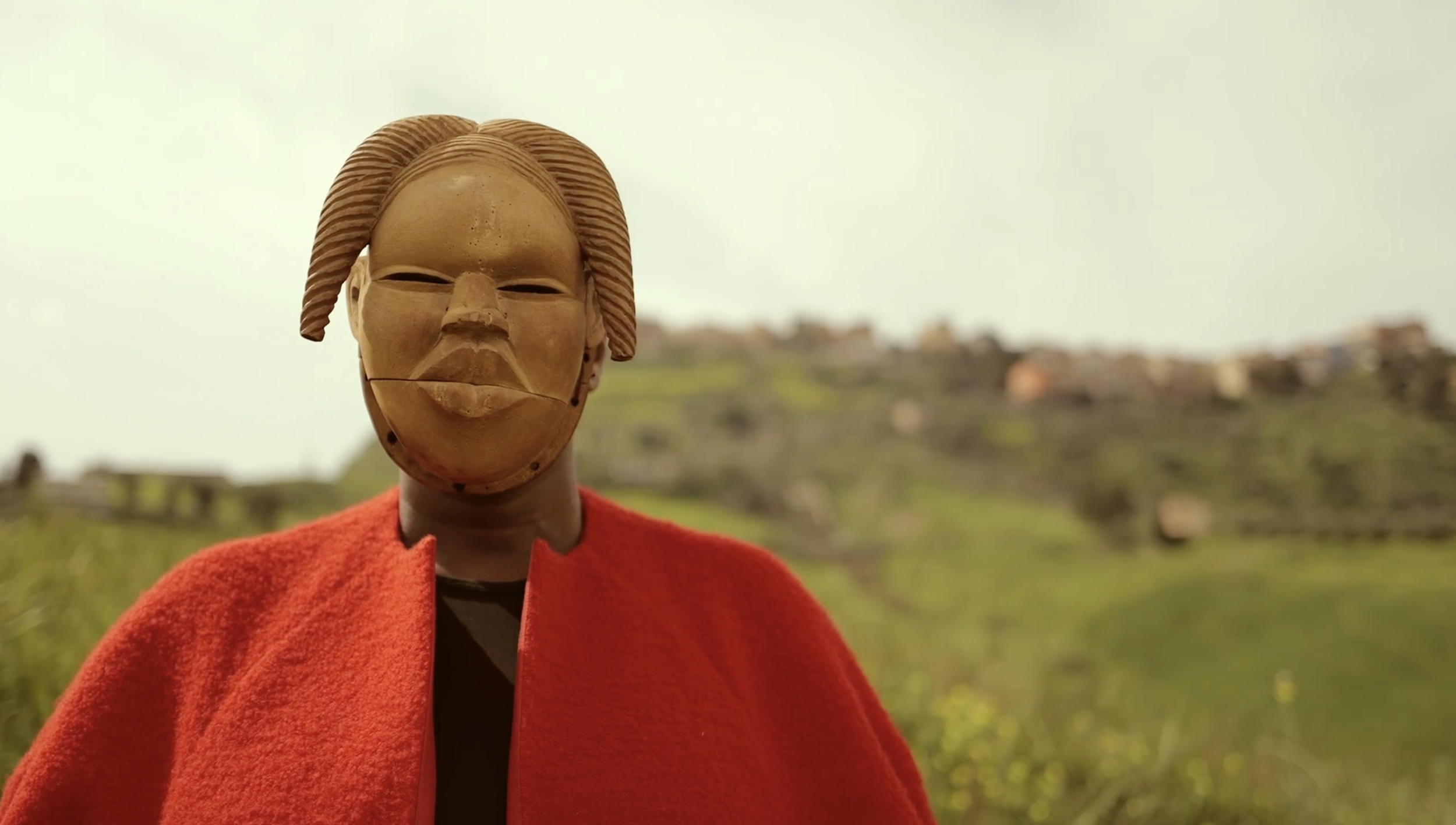
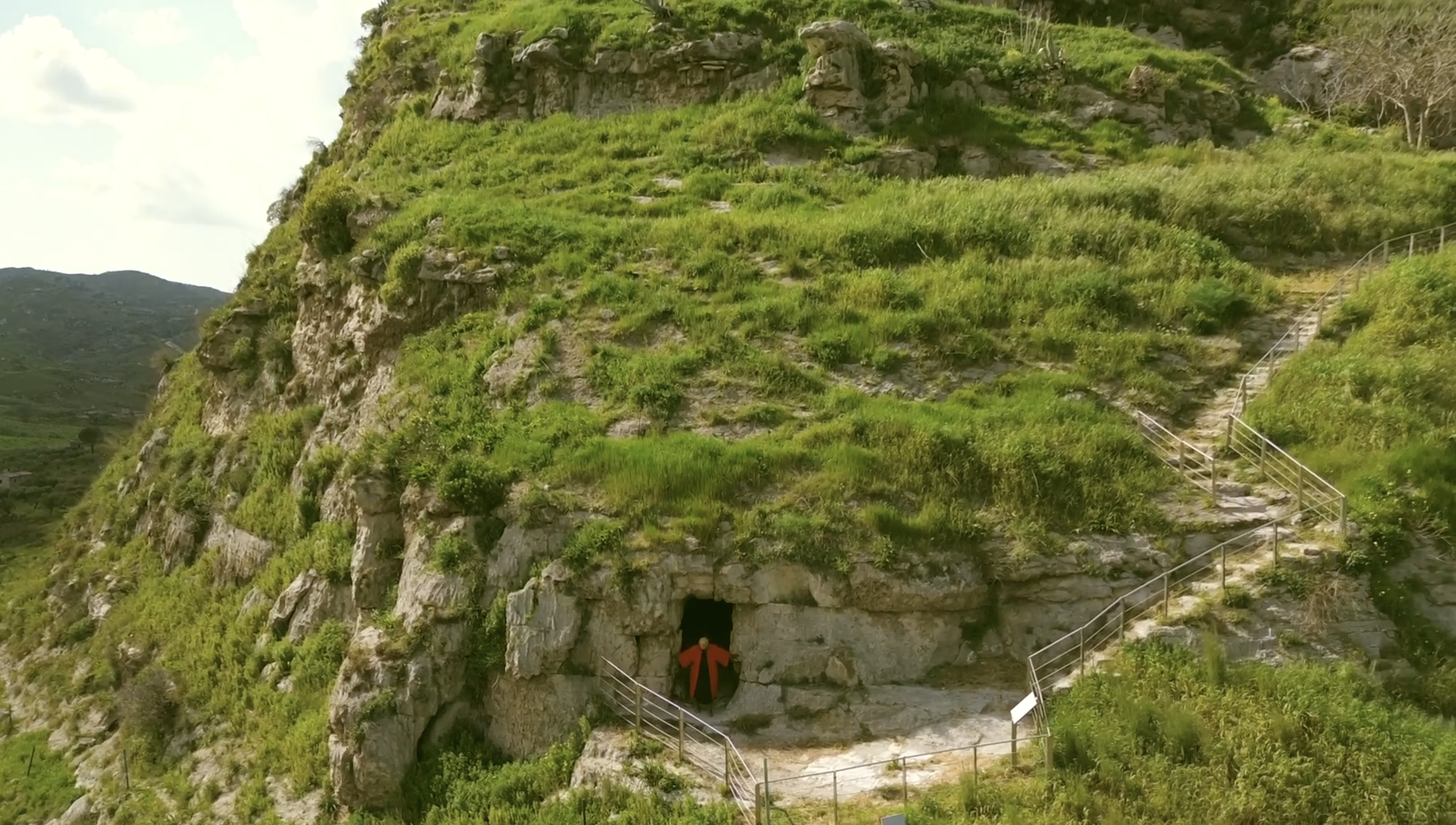
Opera di Muxaro è un cortometraggio che racconta la dissonanza cognitiva del vivere nel collasso, ritrovandosi però in un luogo di una bellezza quasi problematica, che allo stesso tempo si riconosce come straordinariamente resiliente e adatto alla sopravvivenza in un contesto apocalittico. Opera di Muxaro presenta una protagonista femminile africana, chiaramente un’outsider — in parte umana, in parte spirito — con una maschera ogoni al posto del volto, che vaga nel paesaggio siciliano indossando un vivido cappotto rosso. È emersa dal grembo/tomba delle grotte preistoriche per cui il territorio di Sant’Angelo Muxaro è noto. La protagonista trova pace e rifugio negli elementi del territorio, visibili e invisibili, passati e presenti, tangibili e intangibili. Ma lo spettro della guerra si insinua ed è costantemente presente. L’opera segue la meditazione della protagonista sui modi per sopravvivere e restare presente, una riflessione che nasce dall’osservazione del paesaggio, della cultura e dei rituali di Sant’Angelo Muxaro.
Opera di Muxaro is a short film that explores the cognitive dissonance of living through collapse, while finding oneself in a place of almost problematic beauty—one that is also recognized as extraordinarily resilient and capable of sustaining life in an apocalyptic context. The film features a female African protagonist, clearly an outsider—part human, part spirit—wearing an Ogoni mask in place of her face, wandering through the Sicilian landscape in a vivid red coat. She has emerged from the womb/tomb of the prehistoric caves for which the territory of Sant’Angelo Muxaro is known. The protagonist finds peace and refuge in the elements of the land—visible and invisible, past and present, tangible and intangible. Yet the specter of war seeps in and remains constantly present. The work follows her meditation on how to survive and remain present, a reflection that emerges from observing the landscape, culture, and rituals of Sant’Angelo Muxaro.
Madunnuzza duci duci, e Regina di la Paci, pozzu chiediti un favuri pi lu figliu to Signuri? Tu ca po', si la mamma e l’amuri nun ti manca. Comu vidi, stu mumentu supra la terra c’è l’infernu. Ci su guerri e carestii, calamità e epidemie, c’è paura, c’è sgumenta ogni angulu è un lamenta. Ma tu sai cara Maria ca ognuno fa fede in tia. Puru i comu in tanti t’invocu forti ogni istanti. Perciò duci messagera ci la porti sta preghiera? A lu figliu to dilettu ca tu stringi da lu pettu. Patri nostru nun lassari sti to figli soli a pinari cunfidamu a lu to amuri, noi miseri peccaturi. Matri Santa, aiu dittu tuttu Binidittu e lu to fruttu, Duci si climenti e Pia,O Dulcissima Maria.
Elisabetta Greco
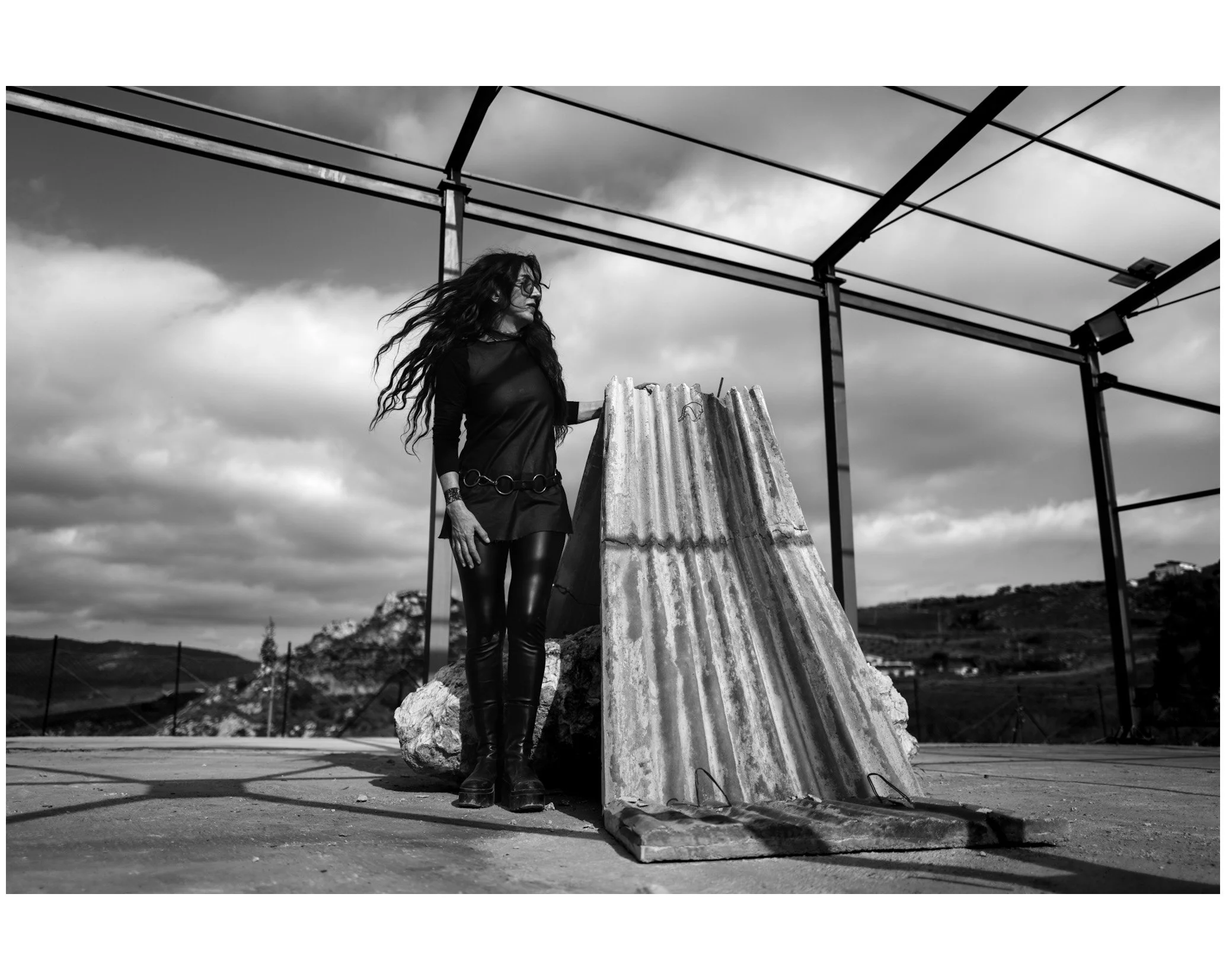
Loredana Longo
The Eternal Fall - Loredana Longo
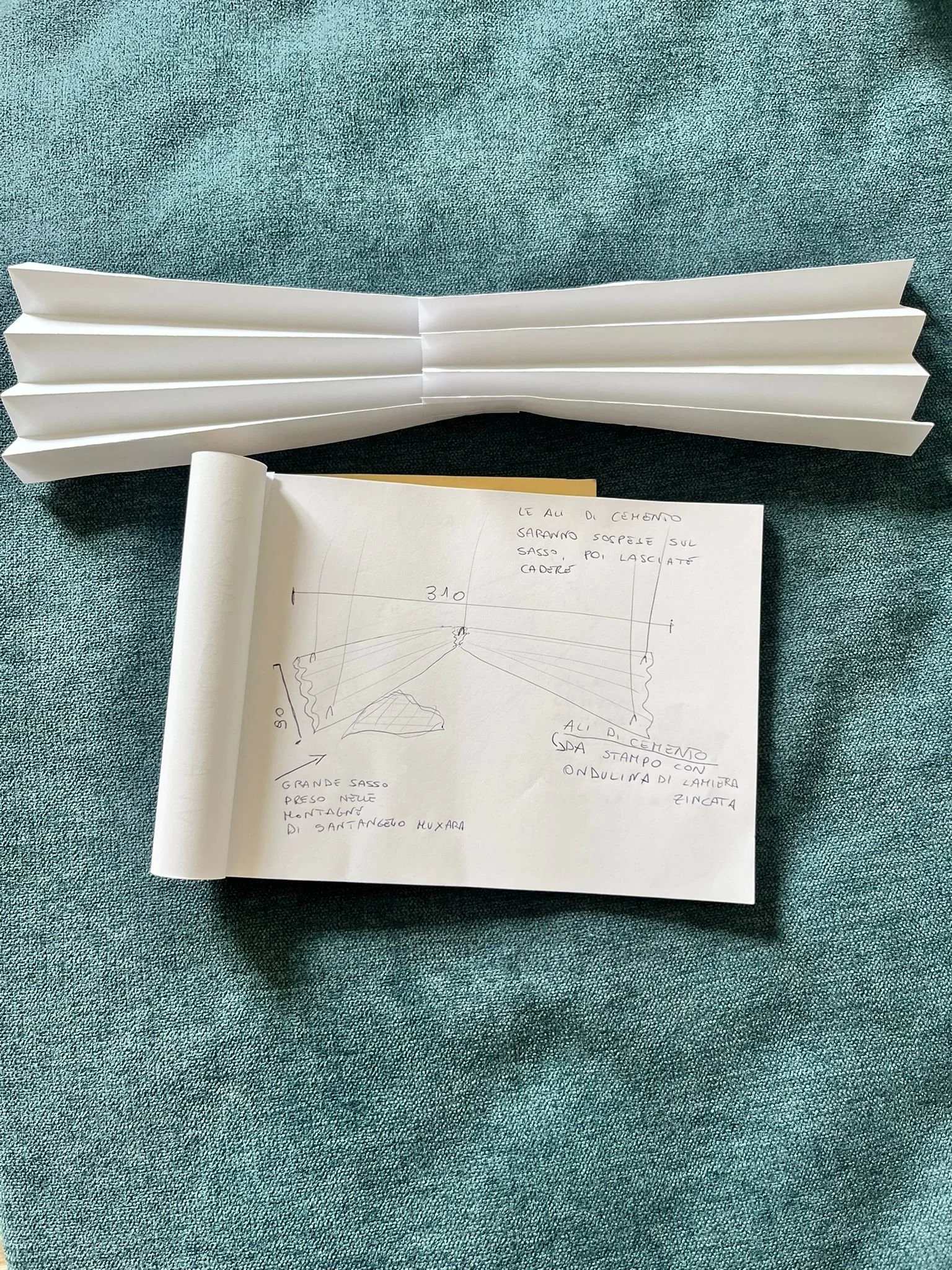
L’opera nasce dall’osservazione del paesaggio dei Monti Sicani, segnato da rocce bianche di gesso che riflettono la luce e custodiscono memorie antiche, tra mito e archeologia. In questo territorio, dove la storia millenaria convive con costruzioni contemporanee fragili e incompiute, l’artista individua una frattura visiva e simbolica: da un lato la solidità primordiale della pietra, dall’altro la precarietà del cemento moderno. Il progetto prenderà forma in un’installazione composta da un grande masso locale su cui si abbattono due ali in cemento armato, modellate a partire da lamiere ondulate. Le ali, simbolo di aspirazione e leggerezza, sono volutamente realizzate in un materiale pesante e rigido: un ossimoro che trasforma il sogno del volo in caduta. Nel gesto si richiama il mito di Dedalo, ma non nel momento dell’ascesa: bensì in quello della perdita di equilibrio. Le ali si spezzano e si deformano, mentre la pietra resta integra, resistente al tempo. Attraverso quella che l’artista definisce “Estetica della distruzione”, l’opera riflette su un presente fragile, sulla tensione tra memoria e modernità, tra rovina e resilienza. Tra il peso del cemento e la forza della roccia, si apre uno spazio di scelta: continuare a cadere o ritrovare un nuovo equilibrio a partire dalle radici del territorio.
The work originates from an observation of the landscape of the Sicani Mountains, marked by white gypsum rocks that reflect the light and preserve ancient memories suspended between myth and archaeology. In this territory, where millennia-old history coexists with fragile and unfinished contemporary constructions, the artist identifies a visual and symbolic fracture: on one side the primordial solidity of stone, on the other the precariousness of modern concrete. The project will take the form of an installation composed of a large local boulder struck by two reinforced concrete wings, modeled from corrugated metal sheets. The wings, a symbol of aspiration and lightness, are deliberately made from a heavy and rigid material: an oxymoron that transforms the dream of flight into a fall. The gesture recalls the myth of Daedalus, but not at the moment of ascent—rather at the moment of losing balance. The wings break and deform, while the stone remains intact, resistant to time. Through what the artist defines as an “Aesthetics of Destruction,” the work reflects on a fragile present and on the tension between memory and modernity, between ruin and resilience. Between the weight of concrete and the strength of rock, a space of choice opens: to continue falling, or to rediscover a new equilibrium rooted in the territory itself.
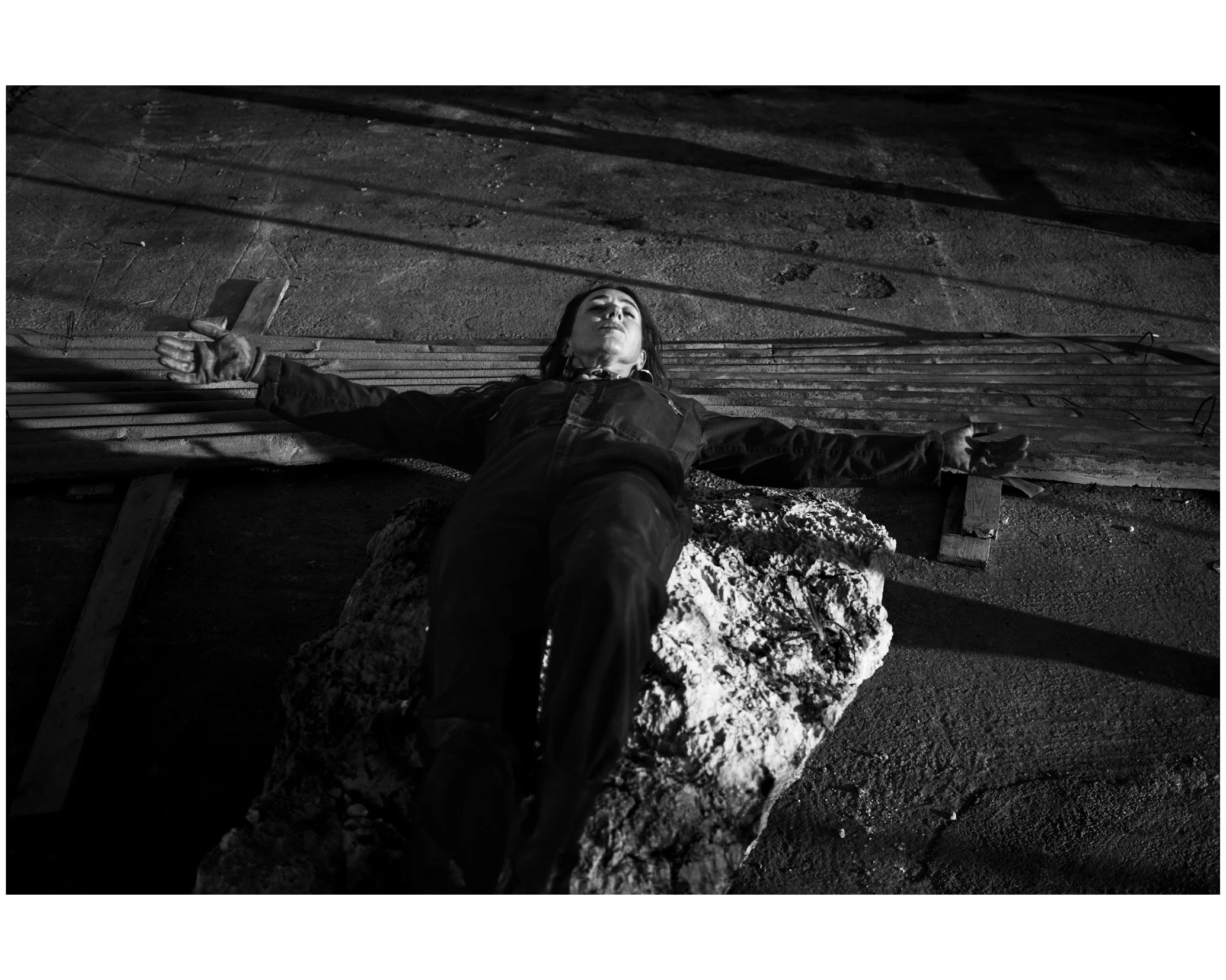
What Remains
What Remains is a collective of Mexican women exploring migration at the US–Mexico border through poetic, site-specific works on memory and loss.
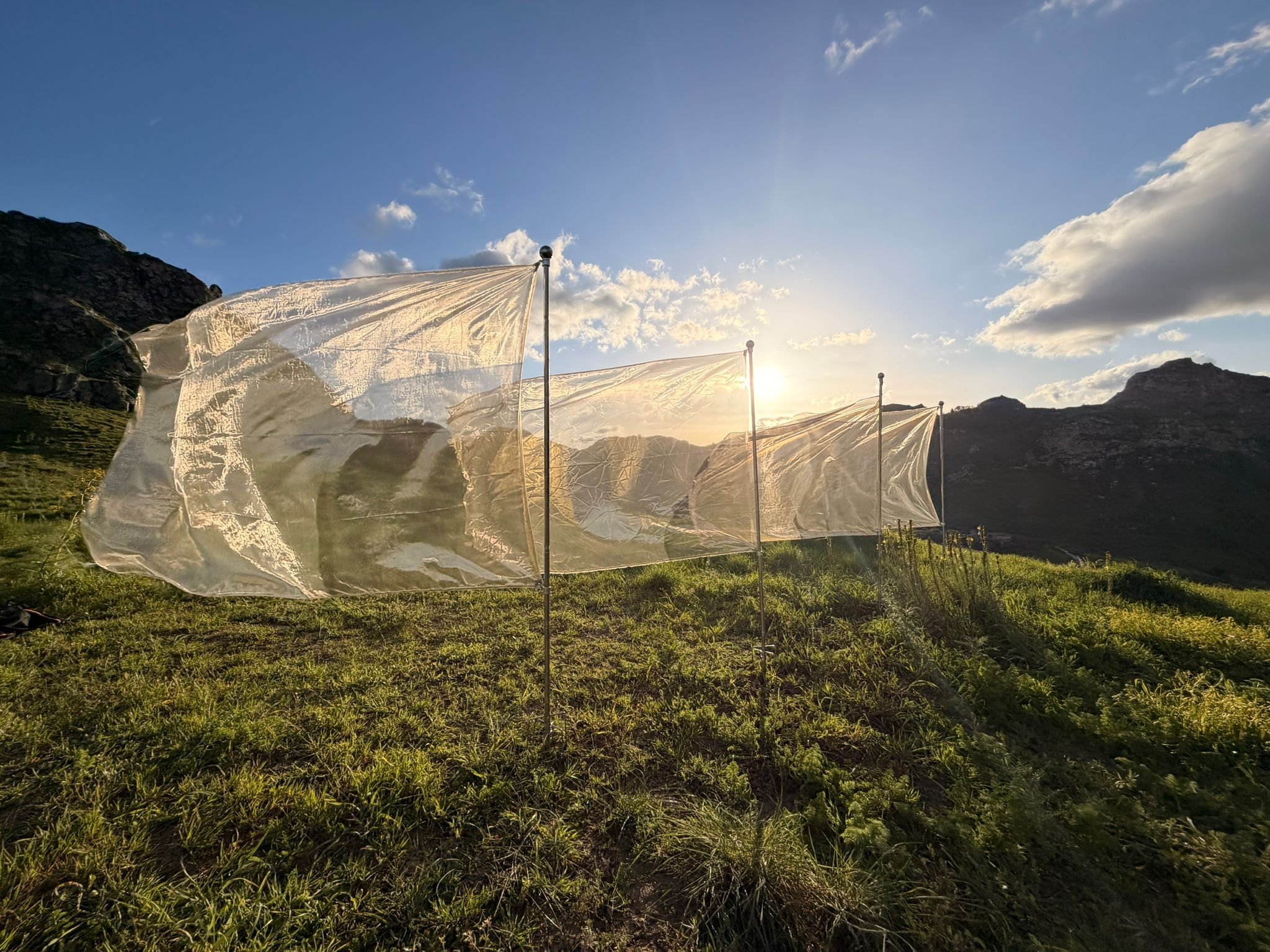
GOLDEN FLAG BORDER WALL
L’opera si configura come la costruzione di un confine che non intende dividere, ma interrogare. Si tratta di un muro effimero, fragile e mobile, che prende forma e si dissolve in relazione al vento. Un dispositivo poetico che nasce dall’esperienza concreta dei confini contemporanei — luoghi di tensione, attraversamento e vulnerabilità — per trasformarsi, nel paesaggio di Sant’Angelo Muxaro, in un gesto simbolico e aperto. La struttura è composta da quattro pali disposti secondo le direzioni cardinali — nord, sud, est, ovest — sui quali sono installate bandiere realizzate con coperte termiche dorate. Questi materiali, utilizzati per offrire protezione immediata ai migranti al termine dei loro viaggi, evocano una dimensione universale di cura, accoglienza e sopravvivenza. In presenza di vento, le bandiere si tendono e si allineano, generando una continuità visiva che dà origine a una parete temporanea: il muro appare. In assenza di vento, la struttura perde consistenza e il confine si dissolve, lasciando spazio al paesaggio. L’opera esiste quindi solo nella relazione tra elementi naturali, materiali e movimento. Non è un oggetto statico, ma un processo in divenire, governato da forze invisibili. La progressiva deteriorazione delle coperte nel tempo diventa parte integrante del lavoro, rafforzandone il carattere effimero e sottolineando la natura transitoria di ogni confine. Il progetto propone così una riflessione sulla fragilità delle separazioni, sulla sacralità dei gesti di protezione e sulla possibilità di immaginare confini che non siano barriere, ma spazi di relazione.
The artwork takes the form of a border that does not seek to divide, but to question. It is an ephemeral, fragile, and mobile wall that appears and disappears in relation to the wind. A poetic device rooted in the lived reality of contemporary borders — places of tension, passage, and vulnerability — which, within the landscape of Sant’Angelo Muxaro, is transformed into an open and symbolic gesture. The structure consists of four poles arranged along the cardinal directions — north, south, east, and west — supporting flags made of golden emergency blankets. These materials, commonly used to provide immediate protection to migrants at the end of their journeys, evoke a universal dimension of care, shelter, and survival. When the wind blows, the flags stretch and align, creating a visual continuity that forms a temporary wall: the border appears. When the wind subsides, the structure loses its form and the boundary dissolves back into the landscape. The work exists only through the relationship between natural elements, materials, and movement. It is not a static object, but an evolving process shaped by invisible forces. The gradual deterioration of the blankets over time becomes an integral part of the work, reinforcing its ephemeral nature and emphasizing the transience of any border. The project thus offers a reflection on the fragility of divisions, the sacredness of acts of protection, and the possibility of imagining borders not as barriers, but as spaces of relationship.
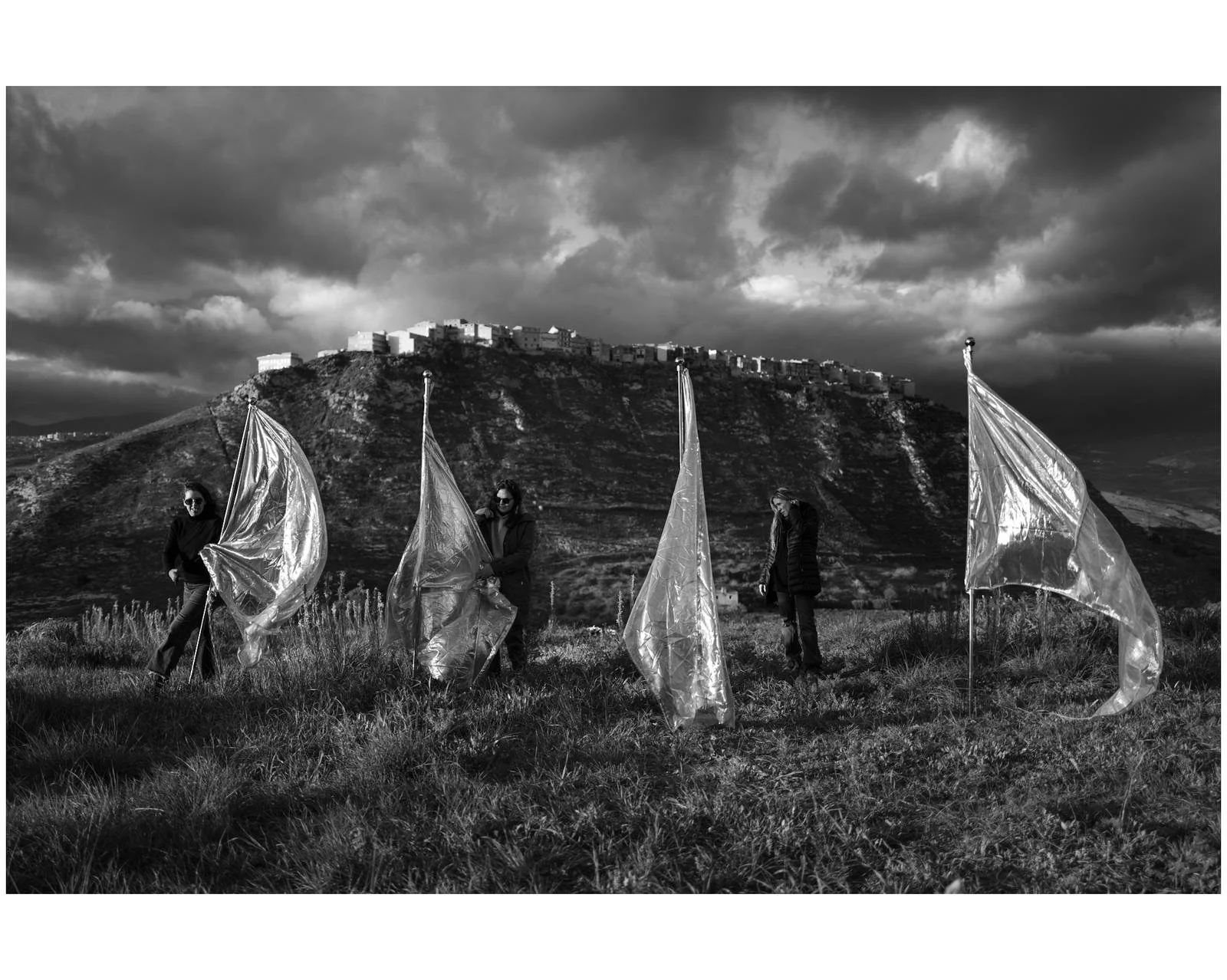
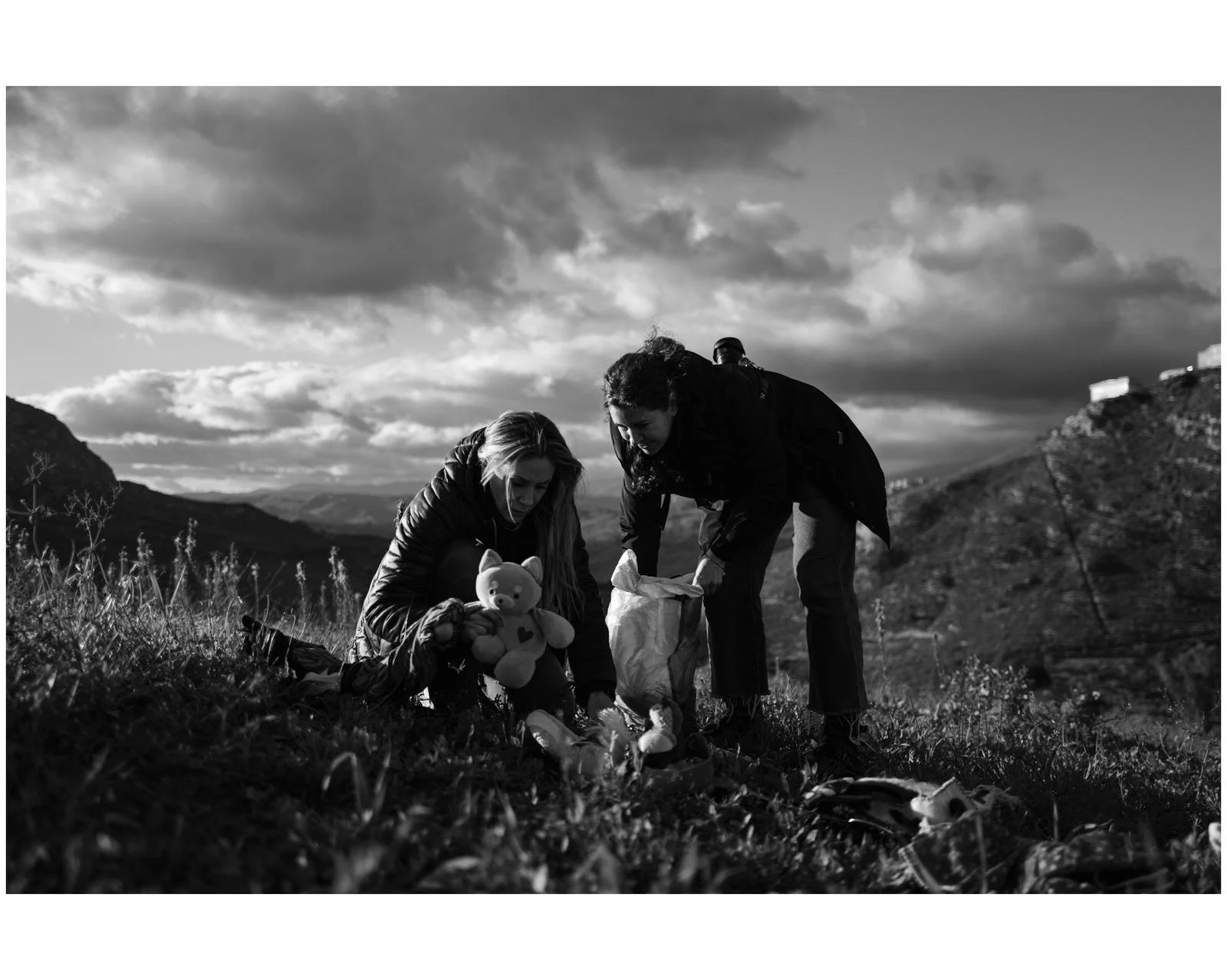
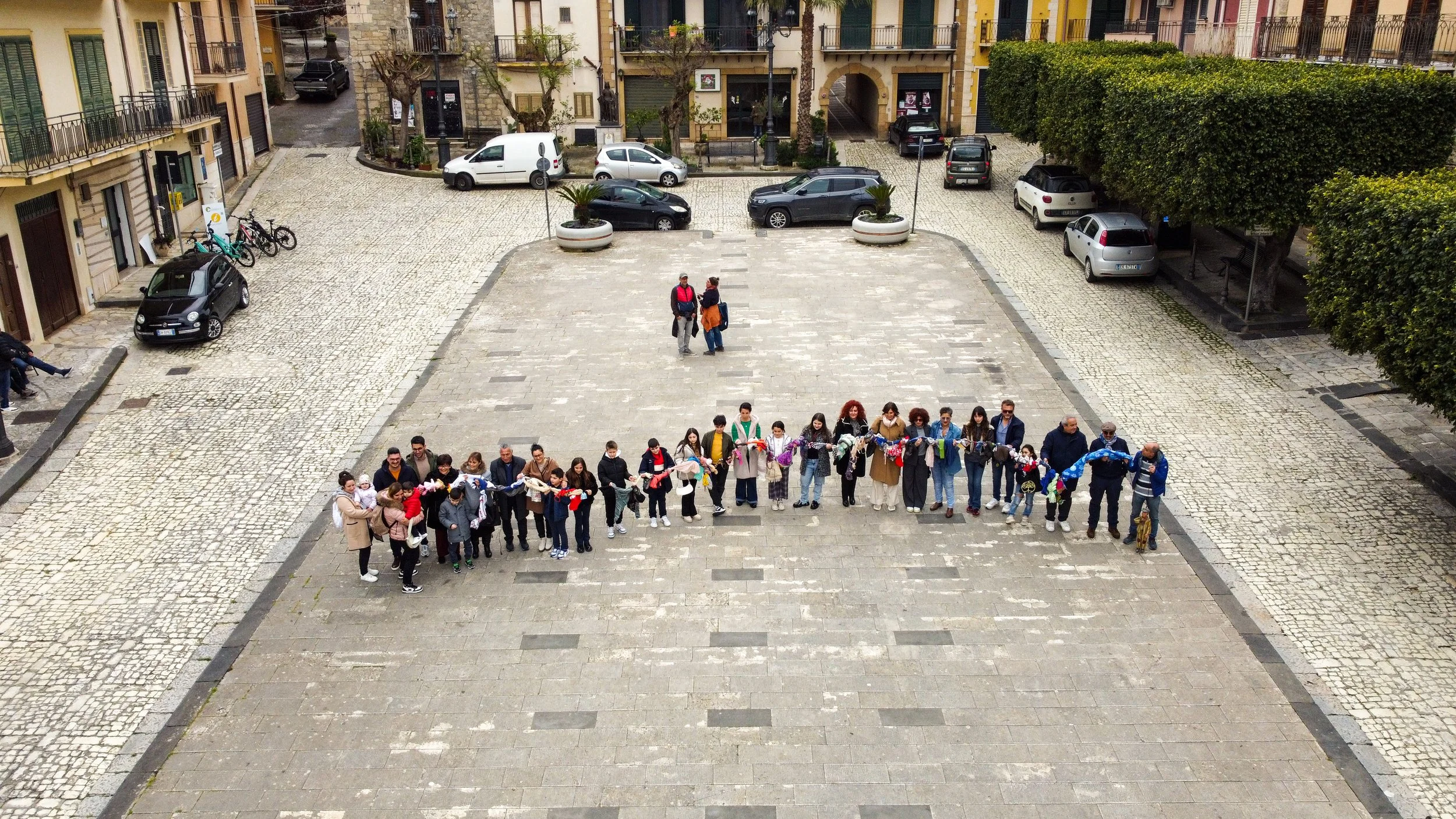
La Trenza
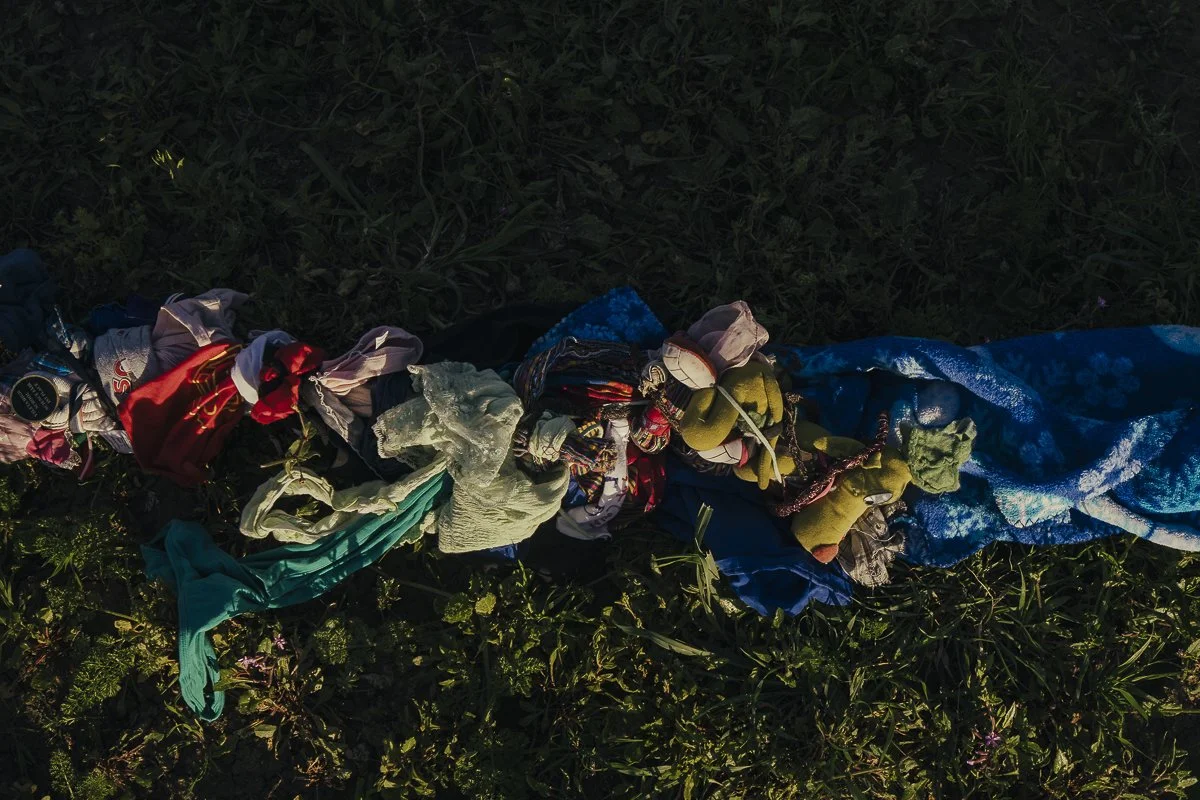
La Trensa è una pratica simbolica e relazionale che prende forma attraverso l’intreccio.
Un gesto collettivo che unisce persone, storie e territori, trasformando il fare insieme in un atto di connessione, cura e memoria.
La Trensa is a symbolic and relational practice based on weaving.
A collective gesture that connects people, stories, and places, turning making together into an act of connection, care, and memory.
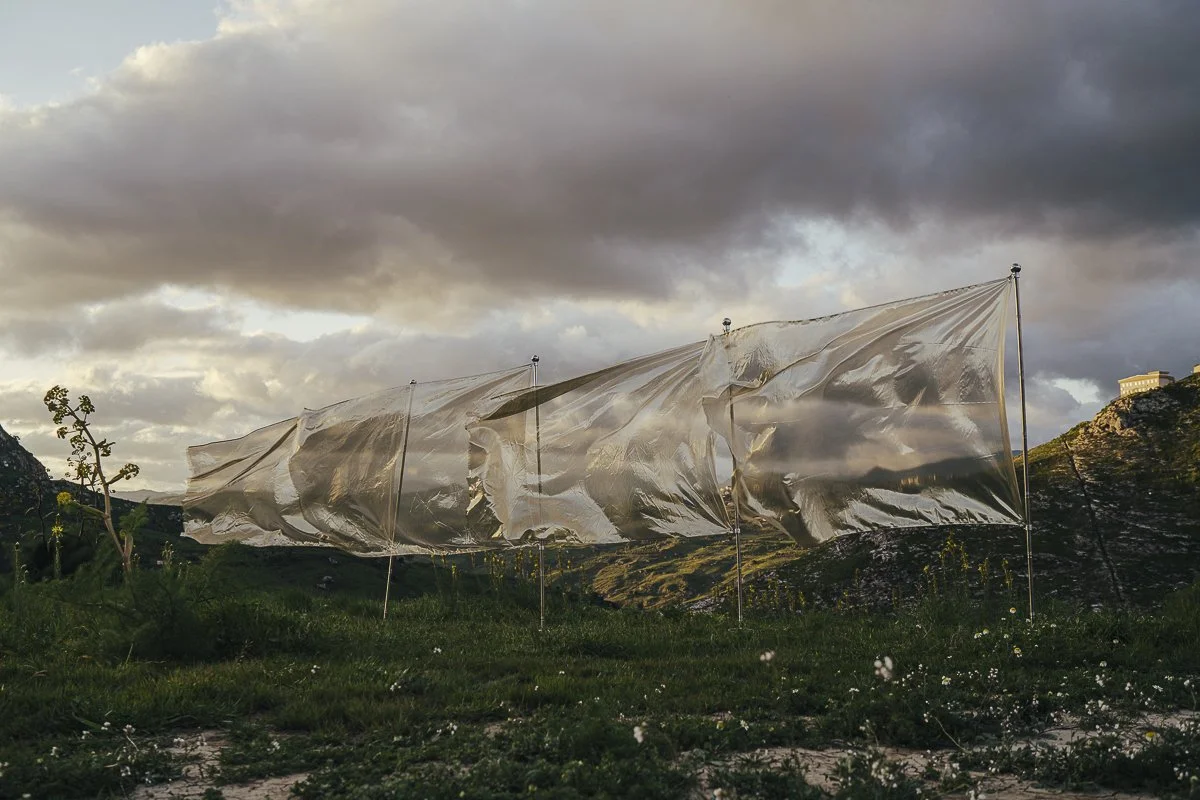
Foto di Monica Lozano
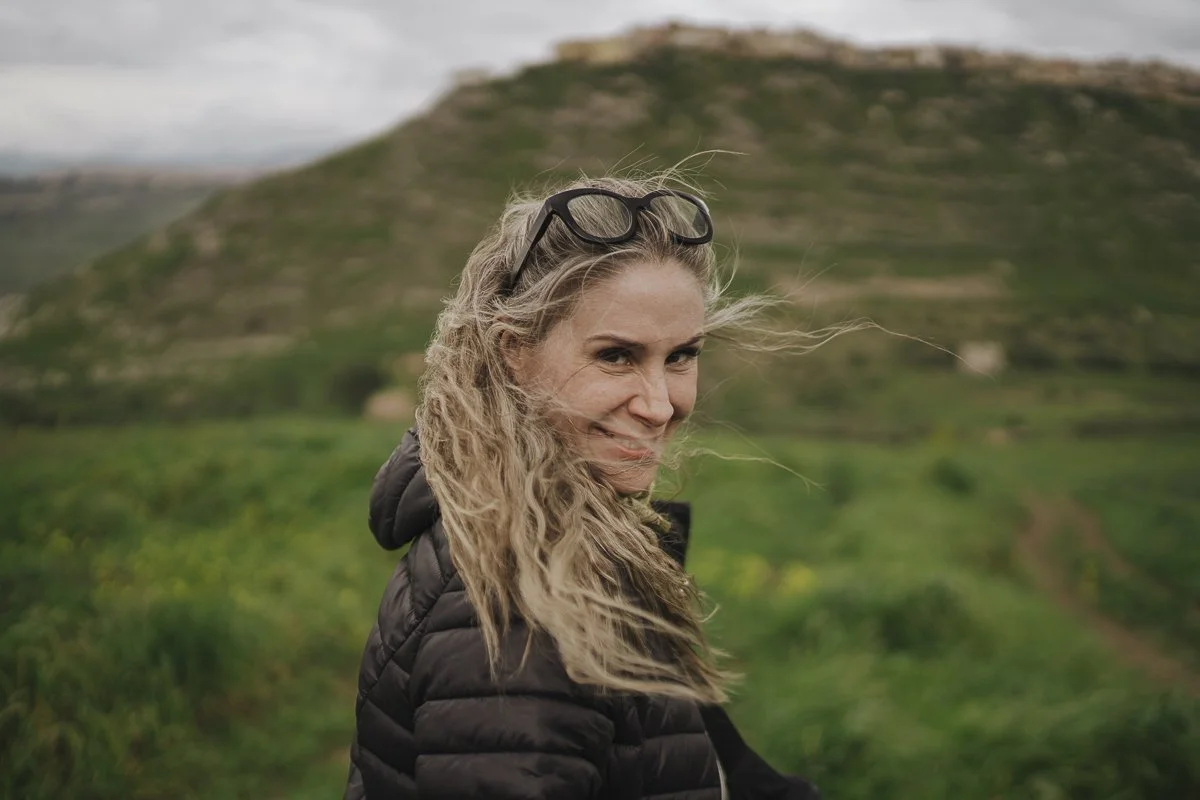
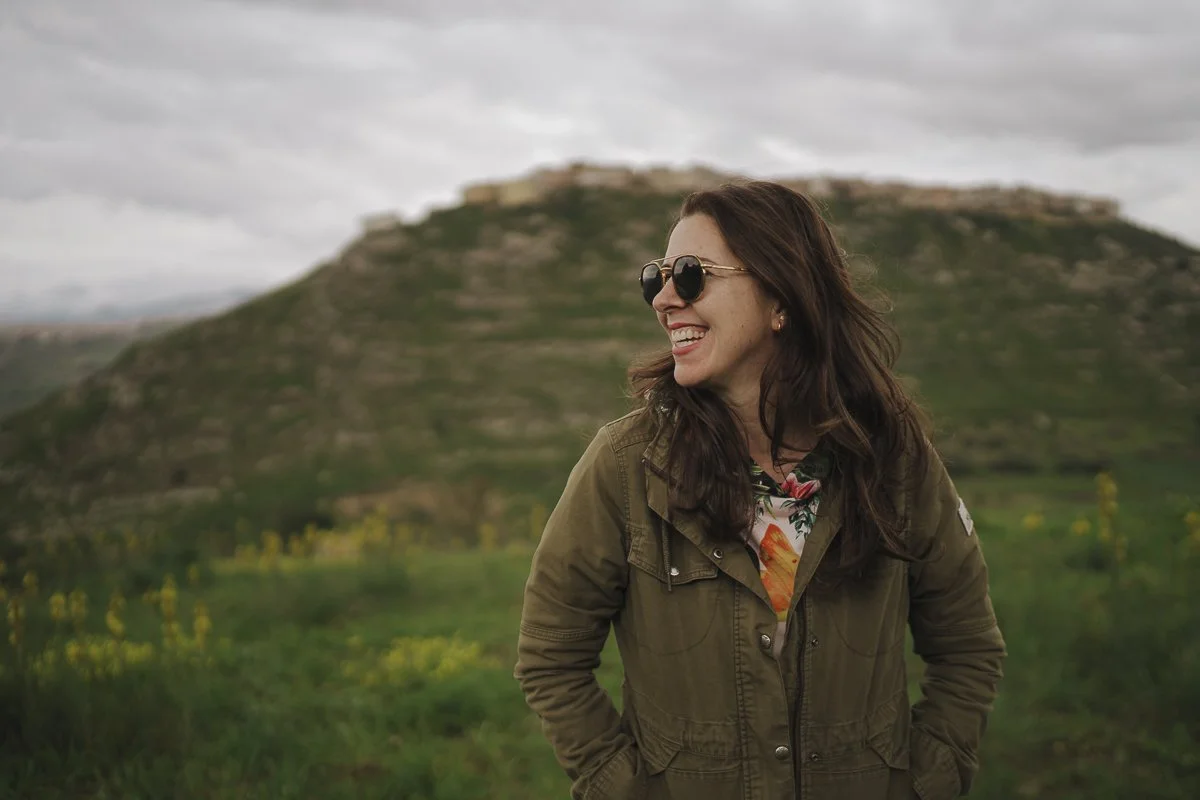
Cornelia Konrads
Cornelia Konrads creates site-specific land art that interacts with landscapes, using illusion and balance to reveal invisible forces in nature.
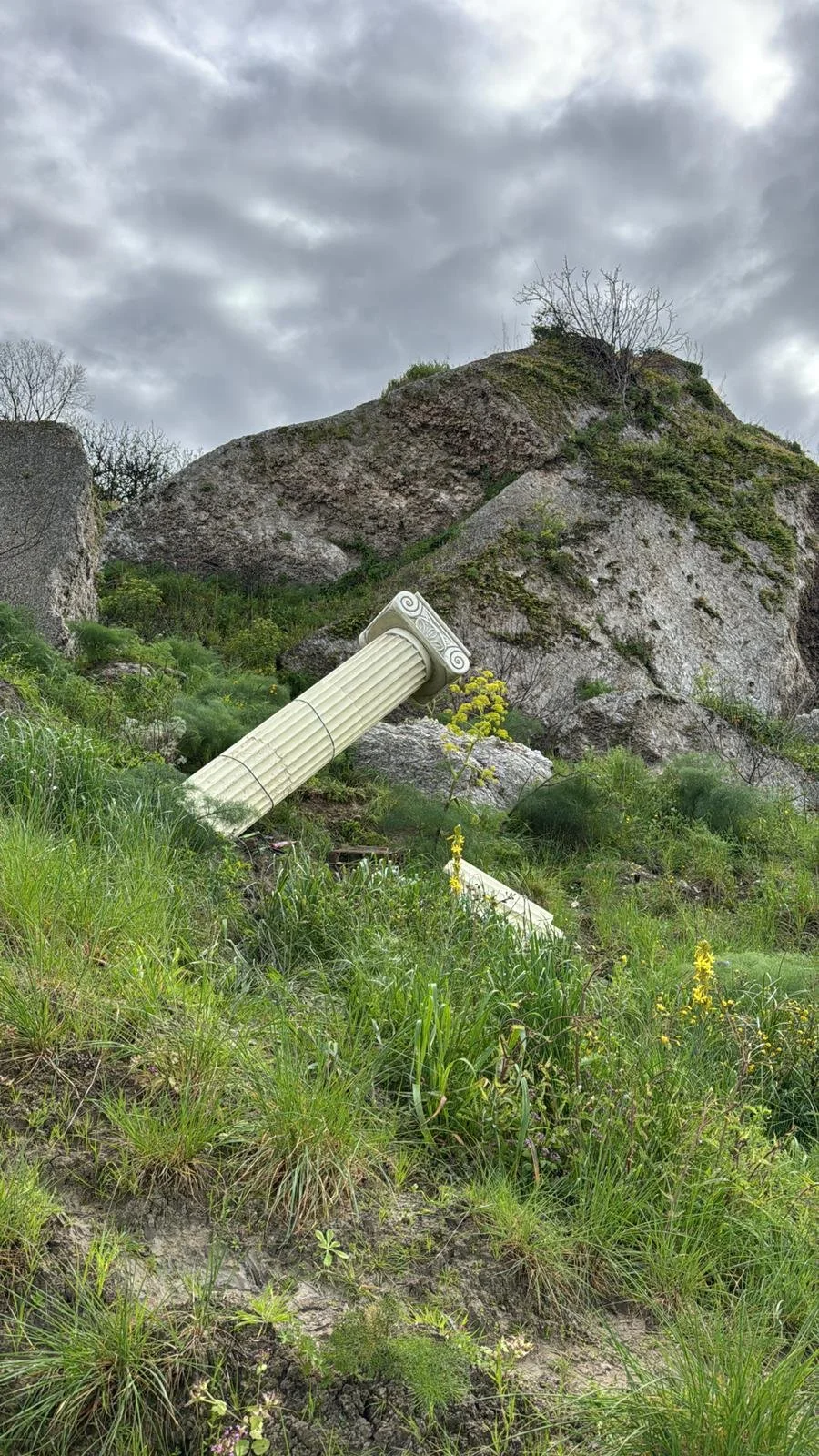
UNSOLECITED COLOUMN di Cornelia Konrads
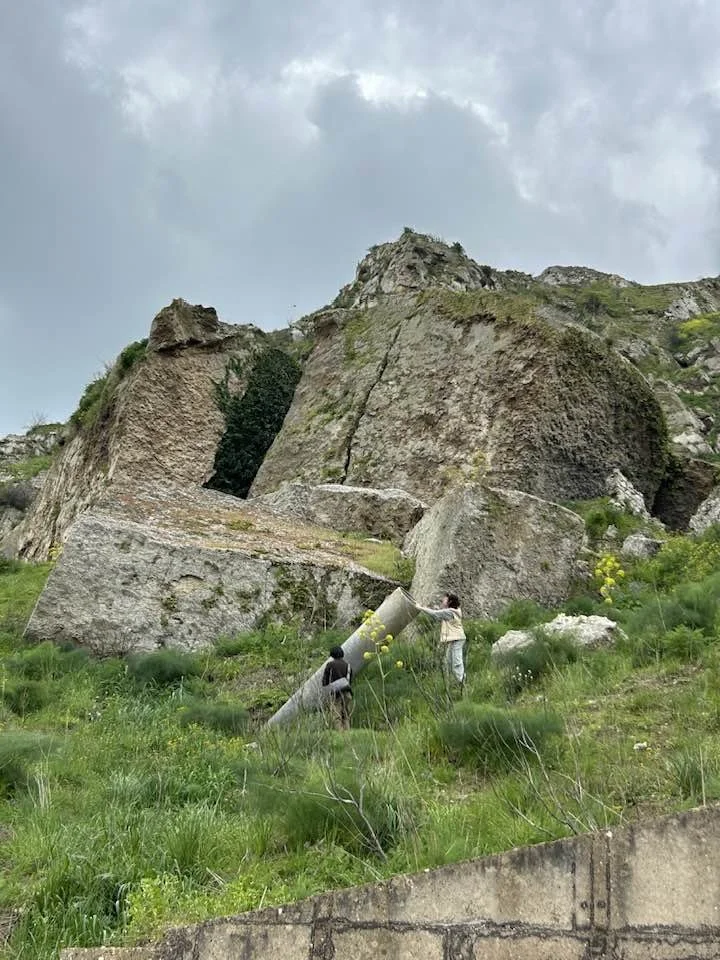
“Questo paesaggio è pieno di tracce di civiltà passate – una frana, un fossato o una cavità nel terreno possono portare alla luce resti inaspettati, lasciati qui molte generazioni fa. La ricerca archeologica può rivelarne solo una piccola parte – il resto lo colmiamo con la nostra immaginazione… come è arrivato qui questo oggetto? Chi lo ha costruito e perché? È davvero una colonna greca che emerge dal terreno? O è semplicemente un tubo dell’acqua smarrito che si è misteriosamente trasformato? Mi piace creare una visione sorprendente che sollevi domande e ispiri l’immaginazione a inventare la storia che vi sta dietro. Forse, anche solo per un momento, la storia che giace sotto i nostri piedi potrebbe risvegliarsi a nuova vita”.
This landscape is full of traces from past civilisations – a landslide, a ditch or a hole in the ground can uncover unexpected remains, left behind here many generations ago. Archaeological research can only reveal a small part of their mystery – we fill in the rest with our imagination...how did this object get here? Who built it and why?
Is that really a Greek column, sticking out of the ground? Or is it just a lost water pipe that has mysteriously transformed? I like to create a surprising view that raises questions and inspires the imagination to invent the story behind it. Perhaps for a moment the history, lying right under our feet, might even wake up to new life.
Alena Grom
Alena Grom is a Ukrainian photographer exploring identity, memory, and war through visual and research-based practices.
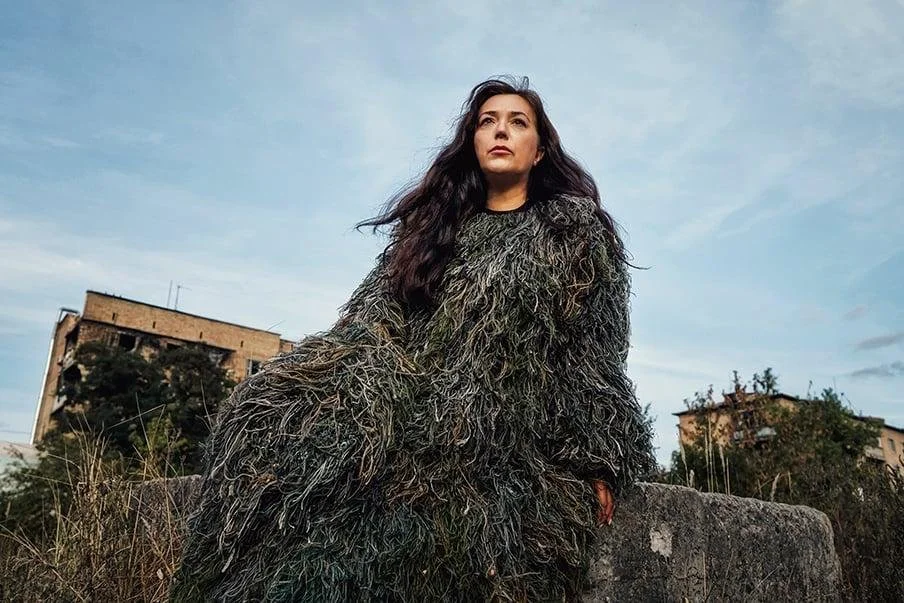
MAVKY.Camouflage
Le protagoniste del progetto sono donne reali, residenti nel villaggio ucraino di Horenka, nel distretto di Bucha. Nel marzo 2022, il villaggio si trovava sulla linea del fronte ed è stato colpito da continui bombardamenti. Secondo l’ONU, a causa dell’aggressione russa, il 77% degli edifici di Horenka è stato distrutto. Per gli abitanti locali quegli eventi sono stati un trauma profondo: le case sono state rase al suolo e i vicini sono morti sotto i loro occhi. La liberazione dell’oblast di Kyiv ha dato impulso alla ricostruzione del villaggio e al ripristino dei legami sociali nella comunità, ma la guerra è continuata. Nel desiderio di essere membri attivi e utili, le donne di Horenka hanno fondato il gruppo di volontarie «Horenski Mavky». Hanno età, professioni e condizioni sociali diverse, ma sono unite dalla volontà di fare insieme qualcosa di importante. Nemmeno i blackout dell’inverno 2022–2023 le hanno fermate: sotto la costante minaccia di attacchi missilistici, al freddo e alla luce delle candele, hanno continuato a intrecciare materiali mimetici. Ancora oggi producono reti che imitano i colori della natura e «kikimori» — abiti mimetici per cecchini e ricognitori — che rendono invisibili i militari e salvano vite. La richiesta di questi strumenti è continua e vengono inviati al fronte il più rapidamente possibile. Le volontarie sono convinte che questi prodotti, intrecciati con amore e fede, abbiano la forza di veri e propri talismani. Nei momenti più difficili, le persone tornano alle proprie radici, a quel terreno comune che per millenni ha costruito l’identità nazionale. Oggi anche la mitologia ucraina è tornata a essere centrale, insieme ad altri elementi della cultura. La figura folklorica delle Mavky è una delle più conosciute: celebrata in leggende, opere letterarie e arti visive. Figura ambivalente, sospesa tra il mondo dei vivi e quello dei morti, la mavka — anche grazie alla «Canzone della Foresta» di Lesya Ukrainka — è diventata simbolo di una femminilità vittoriosa, di un amore ardente e capace di sacrificio. In ogni fotografia emergono virtù femminili: bellezza, forza gentile, connessione con la natura, amore, cura per la famiglia, sincerità, unità con le altre. Le protagoniste del progetto non distruggono, non cercano vendetta per le case e le vite perdute: proteggono il presente e costruiscono un futuro per le nuove generazioni nella loro terra. Un futuro che deve essere difeso anche in guerra, e la Mavka — la donna ucraina — è rimasta accanto ai suoi soldati.
The heroines of the project are real women, residents of the Ukrainian village of Horenka, Buchansky District. In March 2022, the village was on the front line and suffered from constant shelling. According to the UN, as a result of Russian aggression, 77% of the buildings in Horenka were destroyed. For local residents, those events became a severe trauma, houses were destroyed and neighbors died before their eyes… The liberation of Kyiv Oblast gave an impetus to the reconstruction of the village and the restoration of social ties in the community, but the war continued. Striving to be useful members of the community, the women of Horenka organized the volunteer group «Horenski Mavky». They have different ages, different professions, and different social statuses, but they are united by the desire to do something important together.
Even the blackout of the winter of 2022-2023 did not prevent them — under the constant threat of rocket attacks, by candlelight, in the cold, the weaving of camouflage products continued. And now women continue to produce nets that imitate natural colors and «kikimori» — camouflage clothing for snipers and scouts, which makes the military invisible and saves lives. There is a constant need for such means, they go to the front as quickly as possible. Volunteers are convinced that camouflage products, woven with love and faith, have the power of charms.
In times of the most difficult trials, the people turn to their roots, to the common ground that has shaped their national identity for thousands of years. And today Ukrainian mythology has come in handy along with other components of culture. The folkloric character of the Mavky is one of the most famous, it is sung in legends, works of art, and in art. An ambivalent figure on the border between the worlds of the living and the dead, in recent times the mavka — including thanks to Lesya Ukrainka’s «Forest Song» — has become a symbol of victorious femininity, ardent self-sacrificing love. In every photo, female virtues are revealed: beauty, soft power, connection with nature, love, care for family, sincerity, unity with friends. The heroines of the photo project do not destroy, do not seek revenge for destroyed homes and lives — they protect the present, build a future for new generations on their land. This future must be defended in war, and Mavka, a Ukrainian woman, stood by her soldiers.
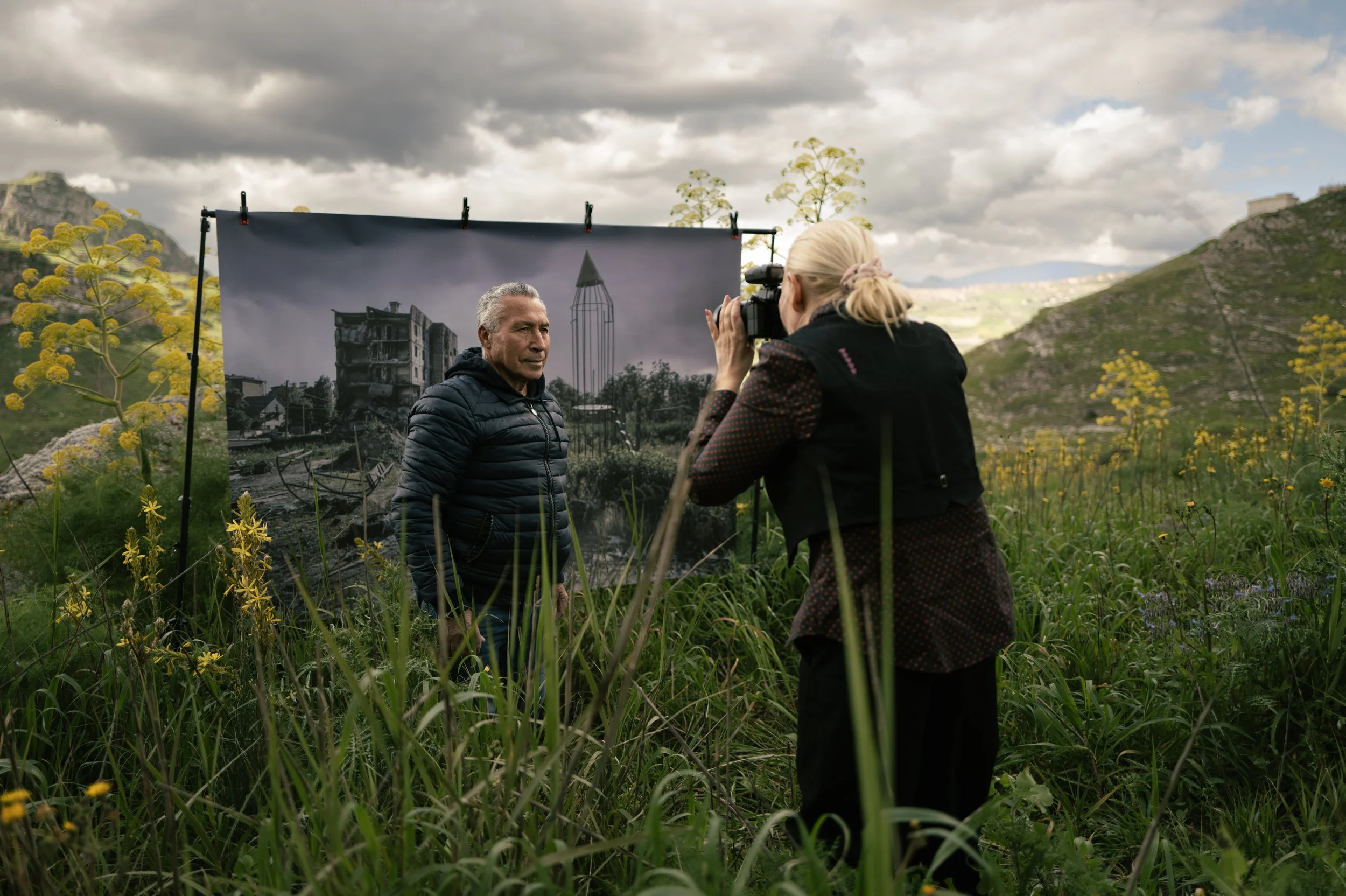
INTRUSIONE di Alena Grom
Il progetto Intrusione è il seguito del mio progetto fotografico Stolen Spring (2023). Se Stolen Spring raccontava di persone che vivono in condizioni di guerra, il nuovo progetto esplora lo spazio radicalmente diverso: un luogo dove la guerra non c’è. Ma anche qui il senso di sicurezza si rivela fragile e relativo. Oggi nessun luogo esiste in isolamento: le infrastrutture militari e i conflitti geopolitici possono estendersi a qualsiasi punto del mondo. La mia esperienza mi ha insegnato che la sensazione di sicurezza può svanire in un istante. Non si tratta della guerra come evento del passato, bensì della fragilità di ciò che chiamiamo pace.
Il progetto è stato realizzato a Sant’Angelo Muxaro, un piccolo paese nel cuore della Sicilia. In un ambiente abitualmente tranquillo ho inserito un elemento che rompe la sua calma apparente: uno sfondo con immagini di città ucraine distrutte della regione di Kyiv, fotografate da me nel 2022. Ho inserito queste immagini nei paesaggi urbani e pastorali del paese e ho fotografato gli abitanti locali davanti a questi sfondi. Nell’immagine finale emerge una tensione visiva tra la realtà pacifica e quella distrutta, tra stabilità e trauma. Le rovine della guerra appaiono estranee nei paesaggi siciliani, così come la guerra stessa sembra lontana finché non entra nella vita quotidiana. Ho invitato gli abitanti a farsi fotografare davanti a questi sfondi come gesto di solidarietà con l’Ucraina. Questo gesto porta le persone fuori dalla loro zona di comfort e mette in discussione il consueto senso di sicurezza.
Anche la mia presenza nel paese è una forma di intrusione: introduco il tema della guerra nel ritmo tranquillo della vita quotidiana. Le persone interagiscono con l’immagine della distruzione, cancellando il confine tra “qui” e “là”. Non si tratta di un’invasione fisica, ma di una intrusione gentile e simbolica. Il progetto esplora l’illusione della stabilità: la Sicilia appare tranquilla, ma fa parte di un mondo globale in cui la tensione non smette di crescere. Il progetto suggerisce che non esistono luoghi completamente sicuri e che una guerra “altra” può, in qualsiasi momento, diventare la tua realtà.
Il processo di ripresa svolge un ruolo centrale nel progetto. Lo sfondo con le città distrutte è letteralmente instabile: il vento fa cadere la struttura, i supporti e i softbox, mentre la pioggia o il sole ne alterano le condizioni. Per mantenere lo sfondo nell’inquadratura, lo fissavamo con pietre e cercavamo di sostenerlo in vari modi. Gli abitanti locali, aiutandomi, diventavano partecipi del processo. Questo atto fisico di resistenza diventa una metafora: trattenere il tessuto nel vento è difficile tanto quanto mantenere la stabilità durante la guerra. Qui lottiamo contro il vento e la pioggia, mentre in Ucraina da quattro anni si lotta ogni giorno per la vita sotto i bombardamenti e in condizioni disumane, cercando di preservare un mondo che sta crollando. Il progetto intreccia paesaggio reale e sfondo artificiale, calma e distruzione, distanza consueta e partecipazione, dimensione locale e globale. Questo crea una tensione tra ciò che è visibile e ciò che resta nascosto. A differenza del progetto Stolen Spring, lo sfondo non nasconde la realtà: la strappa, inserendo un nuovo livello direttamente nello spazio dell’immagine. Il progetto Intrusione parla della fragilità della pace, della nostra responsabilità e dell’impossibilità di restare indifferenti. Suggerisce che la pace è uno stato che richiede cura e sostegno costanti. Perfino un piccolo frammento di realtà altrui, portato in uno spazio sicuro, può modificare la nostra percezione della vita.
The project Intrusion is the continuation of my photographic project Stolen Spring (2023). While Stolen Spring told the stories of people living in conditions of war, the new project explores a radically different space: a place where war is not present. Yet even here, the sense of safety proves fragile and relative. Today, no place exists in isolation: military infrastructures and geopolitical conflicts can extend to any point in the world. My experience has taught me that the feeling of safety can disappear in an instant. This is not about war as a past event, but about the fragility of what we call peace.
The project was created in Sant’Angelo Muxaro, a small town in the heart of Sicily. In a usually शांत and peaceful environment, I introduced an element that disrupts its apparent calm: a backdrop featuring images of destroyed Ukrainian cities from the Kyiv region, photographed by me in 2022. I placed these images within the town’s urban and pastoral landscapes and photographed local residents in front of them. In the final image, a visual tension emerges between peaceful reality and destruction, between stability and trauma. The ruins of war appear foreign within Sicilian landscapes, just as war itself seems distant until it enters everyday life. I invited local residents to be photographed in front of these backdrops as a gesture of solidarity with Ukraine. This act takes people out of their comfort zone and questions the usual sense of security.
My presence in the town is also a form of intrusion: I introduce the theme of war into the quiet rhythm of daily life. People interact with images of destruction, dissolving the boundary between “here” and “there.” This is not a physical invasion, but a gentle and symbolic intrusion. The project explores the illusion of stability: Sicily appears calm, yet it is part of a global world where tension continues to grow. The project suggests that no place is completely safe, and that a distant war can, at any moment, become your own reality.
The process of shooting plays a central role in the project. The backdrop depicting destroyed cities is literally unstable: the wind knocks down the structure, supports and softboxes, while rain or sun alter its condition. To keep the backdrop in frame, we fixed it with stones and tried to support it in different ways. Local residents, helping me, became part of the process. This physical act of resistance becomes a metaphor: holding the fabric against the wind is as difficult as maintaining stability during war. Here we struggle against wind and rain, while in Ukraine, for four years, people have been struggling every day for their lives under bombardment and in inhumane conditions, trying to preserve a collapsing world.
The project intertwines real landscape and artificial backdrop, calm and destruction, familiar distance and participation, local and global dimensions. This creates a tension between what is visible and what remains hidden. Unlike Stolen Spring, the backdrop does not conceal reality: it tears through it, inserting a new layer directly into the image space. Intrusion speaks about the fragility of peace, our responsibility, and the impossibility of remaining indifferent. It suggests that peace is a state that requires constant care and support. Even a small fragment of another reality, brought into a safe space, can change our perception of life.
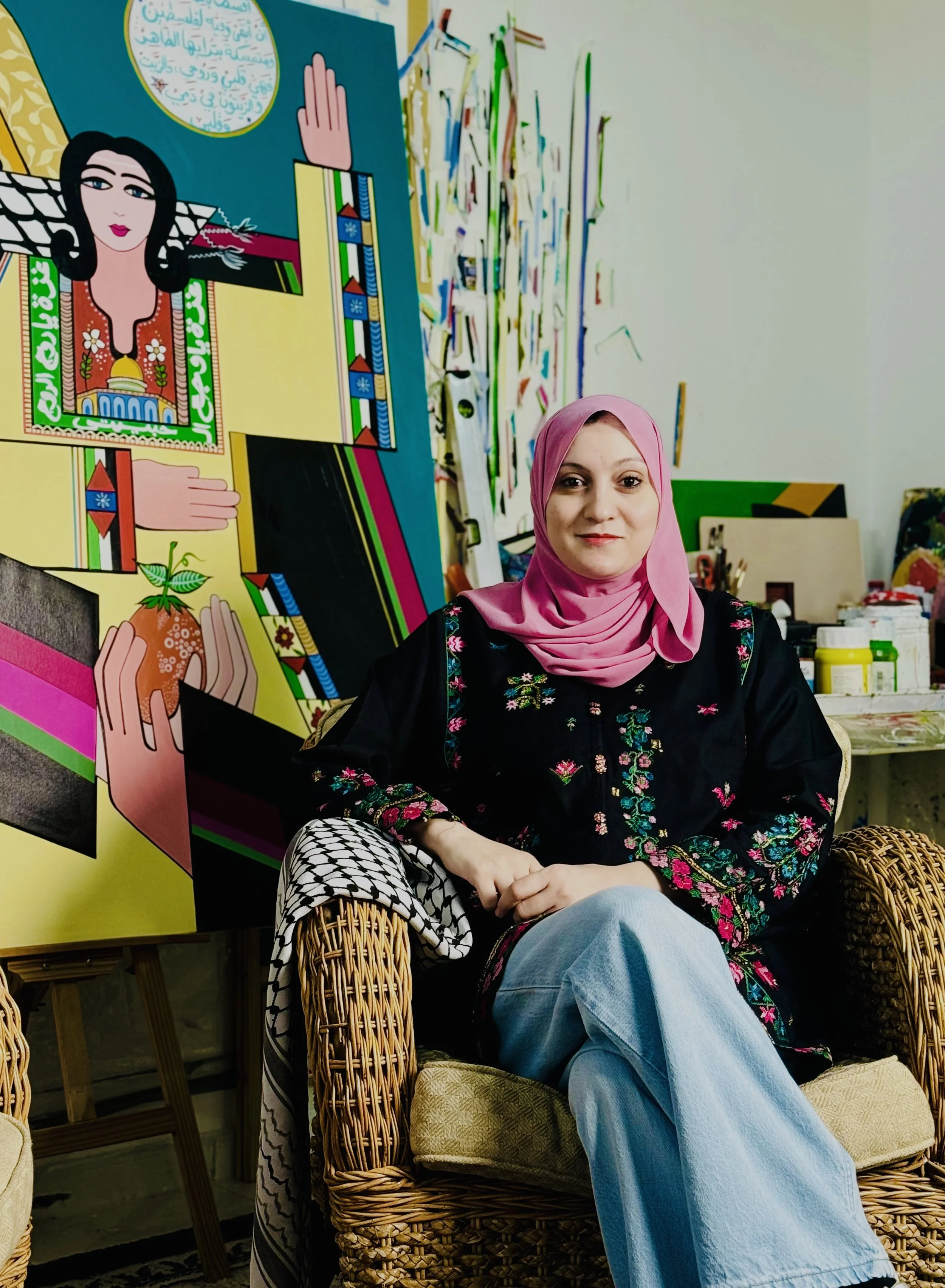
L’ARTISTA DENA MATTER
Purtroppo l’artista di Gaza, invitata a partecipare a Crossing the Boundaries of Landscape, non ha potuto essere presente a causa dell’escalation della guerra in Iran.
Unfortunately, the artist from Gaza invited to Crossing the Boundaries of Landscape could not participate due to the outbreak of the war in Iran.
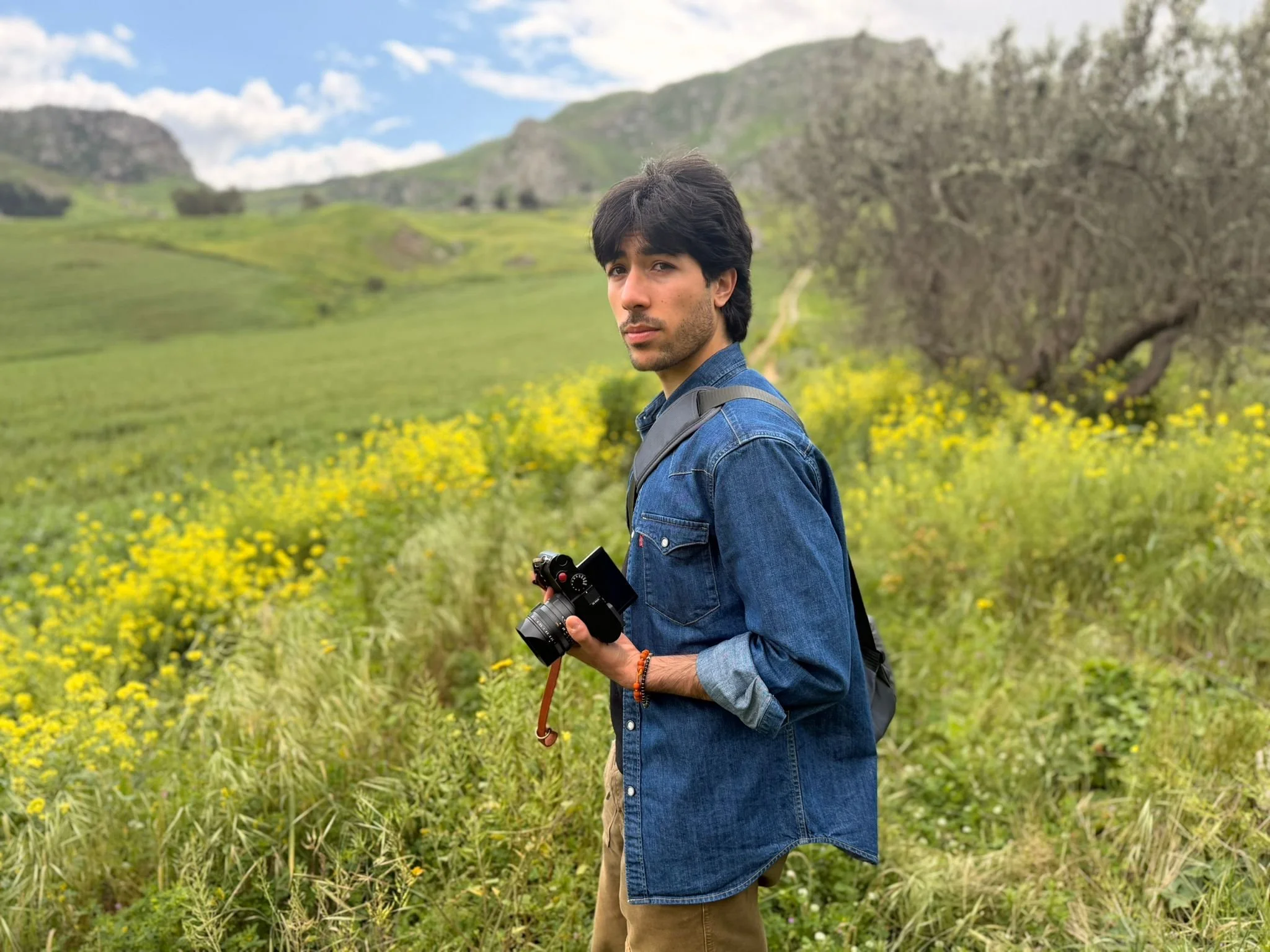
GIUSEPPE SPOTO
Fotografo Ufficiale di Crossing the Bounderies of Landscape
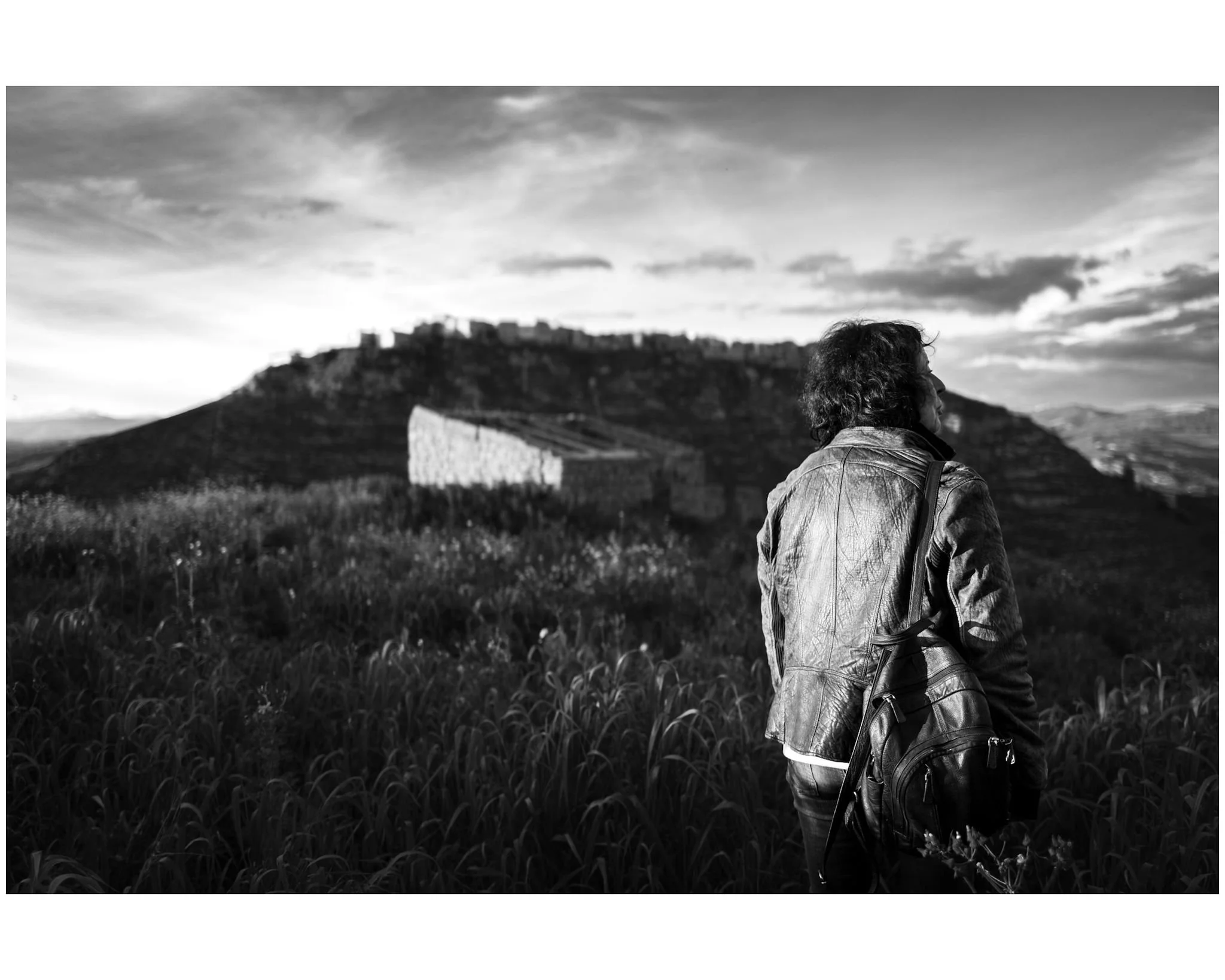
“Un po’ perché ci son nato, certo. Ma io non ho mai provato, altrove, i brividi che mi provoca questa terra che spesso si mostra a me nuda e potente, autentica, selvatica, profondamente umana.”
ALESSIO
CONSOLI
Filmaker Ufficiale di Crossing the Bounderies of Landscape
“Arrivare a Sant'Angelo Muxaro è come entrare in un’altra dimensione: una realtà fatta di lentezza, gentilezza, natura potente e un’umanità disarmante. Qualcosa che, nella quotidianità e nel tempo in cui viviamo, abbiamo quasi completamente dimenticato. Quando è stata fondata Farm Cultural Park io non c’ero, ma in qualche modo questo progetto mi sta restituendo la possibilità di rivivere quei momenti: i primi passi di Farm, tra campagne meravigliose e l’entusiasmo irripetibile della prima volta.”
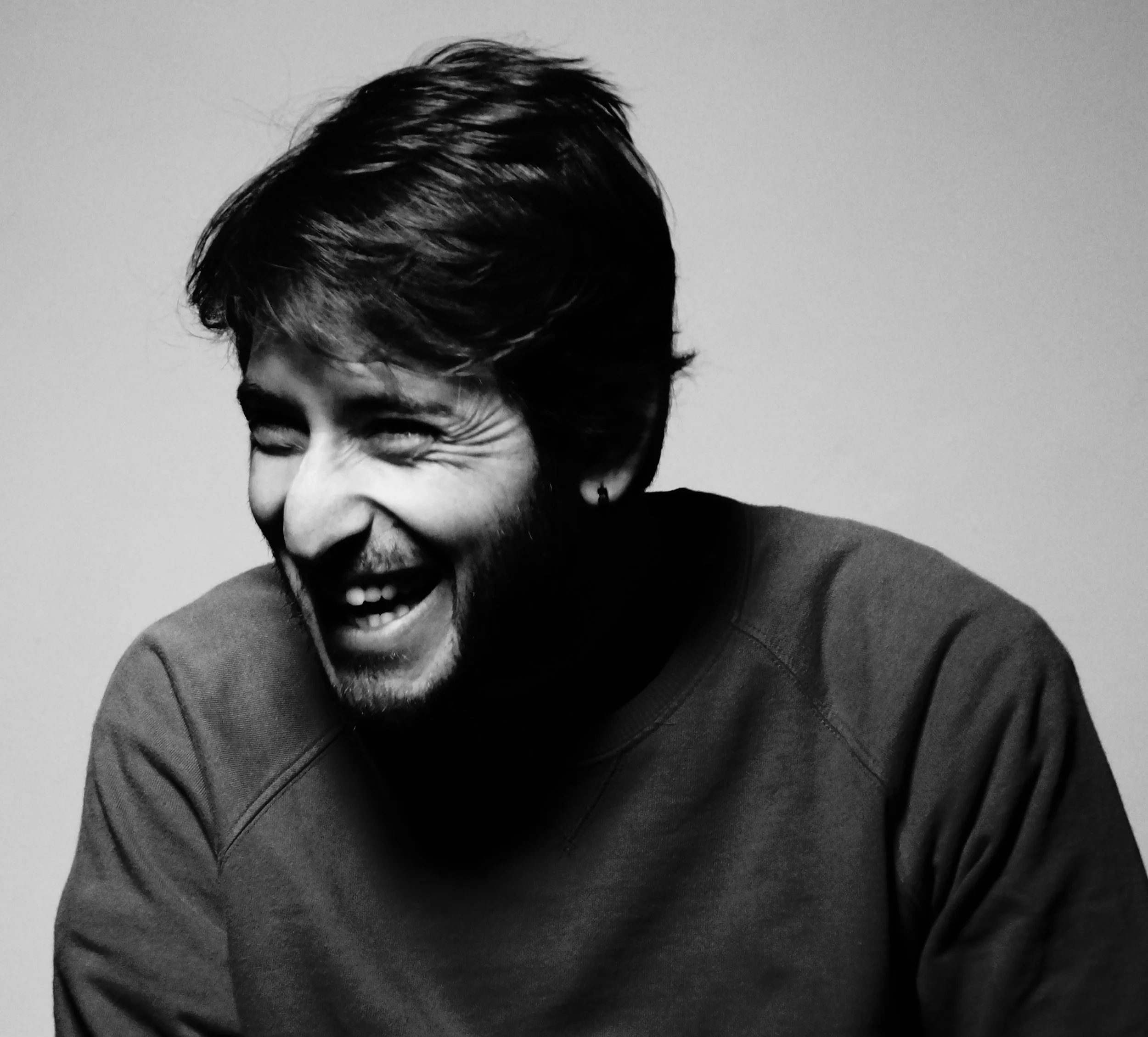
Pierfilippo Spoto, Anima e motore di Sant’Angelo Muxaro
IIcona del turismo relazionale, ri-battezzato dai manager dei resort di lusso, come "u canuscituri", con visione, cura e ostinazione ha trasformato il paese in un modello di accoglienza relazionale, capace di generare valore umano e culturale.
Attraverso il progetto Val di Kam ha rimesso al centro la comunità, il paesaggio e le storie. Il suo lavoro dimostra che anche i luoghi più marginali possono tornare ad essere vivi, aperti e pieni di futuro.
An icon of relational tourism, rebranded by luxury resort managers as “u canuscituri.”, with vision, care, and determination, he has transformed the village into a model of relational hospitality, capable of generating human and cultural value.
Through the Val di Kam project, he has brought community, landscape, and stories back to the center.
His work shows that even the most marginal places can become alive again, open, and full of future.
Foto di Monica Lozano
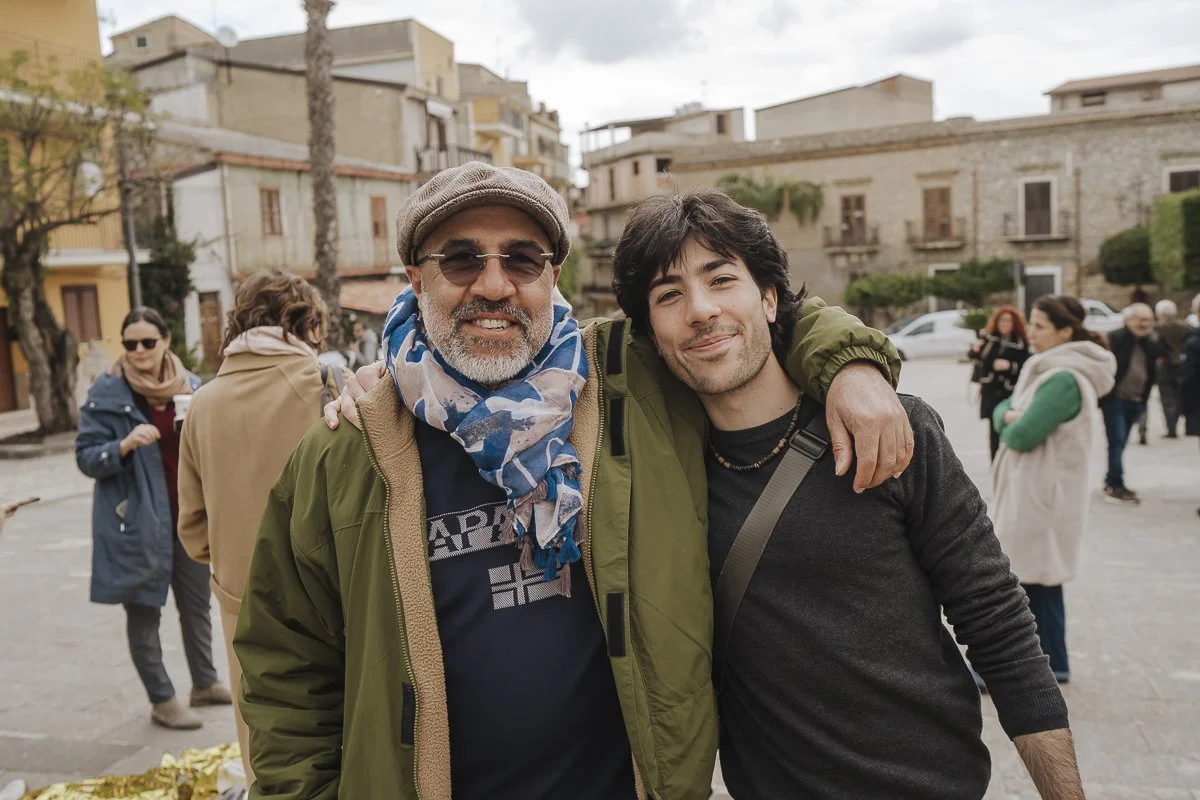
Casa Farm a Sant’Angelo Muxaro: Agriturismo Agliastro
Sulla strada verso Sant’Angelo Muxaro, tra colline e silenzi, l’Agriturismo Agliastro è un luogo che non fa rumore ma lascia il segno.
Laura e Carmelo accolgono con autenticità e cura, trasformando ogni gesto — dal cibo alla parola — in un’esperienza di casa.
Qui le artiste di Radical SHE trovano più di un alloggio: una base emotiva, uno spazio dove rallentare, condividere e lasciar maturare il processo creativo.
On the road to Sant’Angelo Muxaro, among hills and silence, Agriturismo Agliastro is a place that doesn’t make noise but leaves a lasting mark.
Laura and Carmelo welcome guests with authenticity and care, turning every gesture — from food to conversation — into a feeling of home.
Here, the artists of Radical SHE find more than accommodation: an emotional base, a space to slow down, share, and let the creative process unfold.
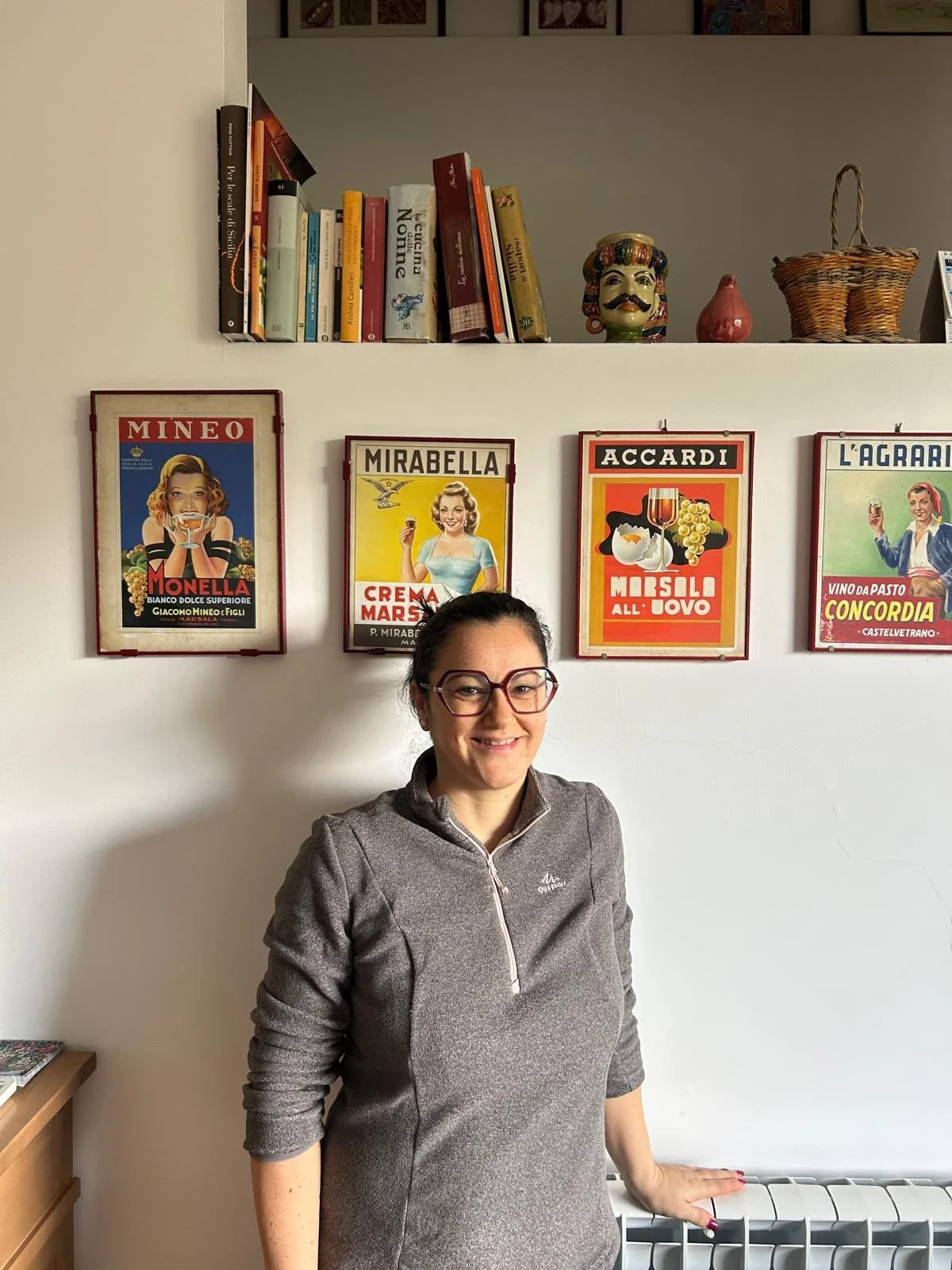
Laura
Ribattezzata Santa LauraNonostante sia nata e cresciuta in Germani e parli benissimo il tedesco, si è innamorata dell’allegria delle artiste Messicane.
Although she was born and raised in Germany and speaks German fluently, she fell in love with the enthusiasm and joy of the Mexican artists.
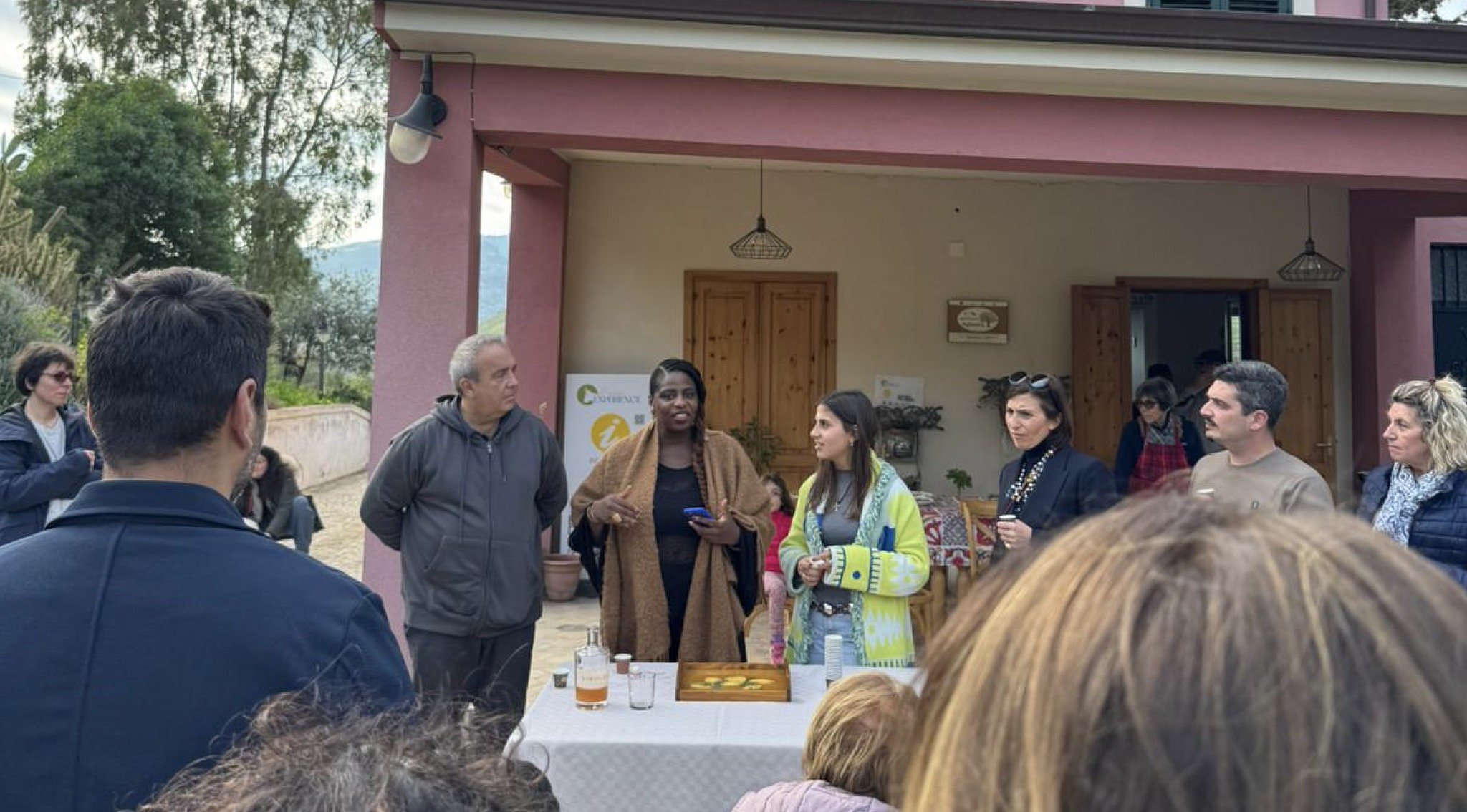
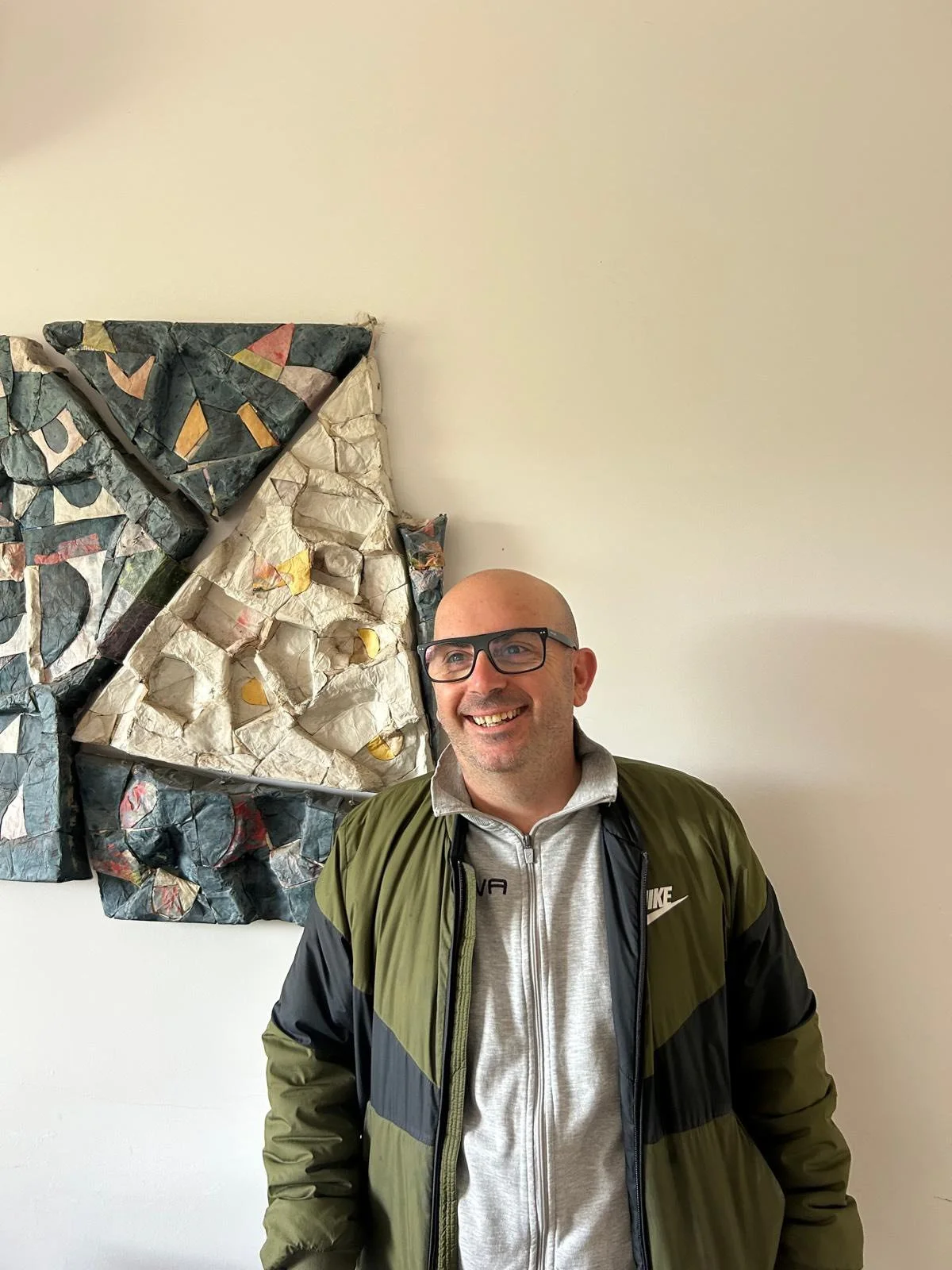
Claro ClaroCarmelo
Chef ufficiale della Nazionale Artiste di Farm a Sant’Angelo Muxaro, anche lui alla fine ha tifato per il Messico.
Official chef of the FARM Artists National Team in Sant’Angelo Muxaro—he ended up cheering for Mexico too.
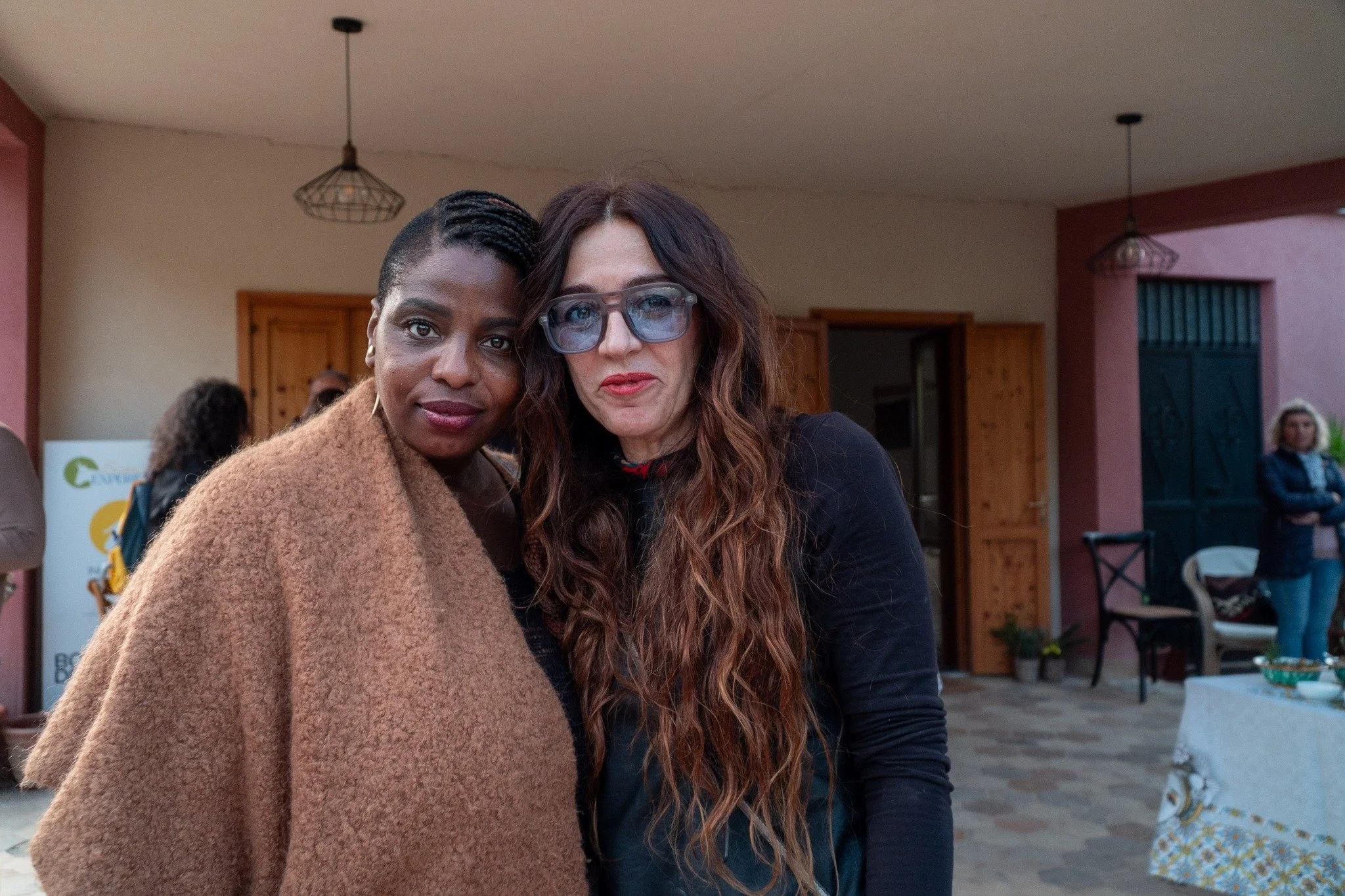
Diario da Sant’Angelo Muxaro
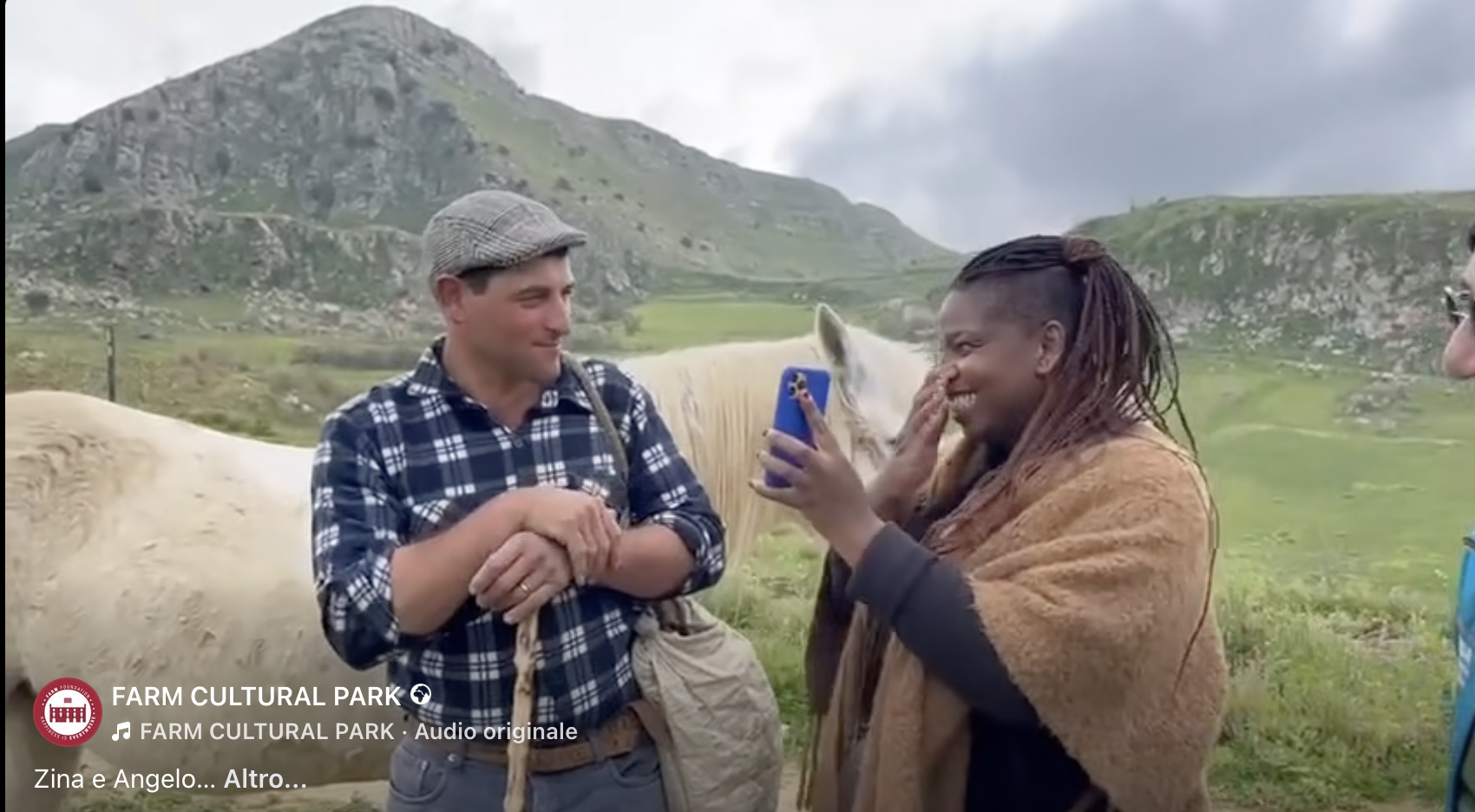
Zina e Angelo
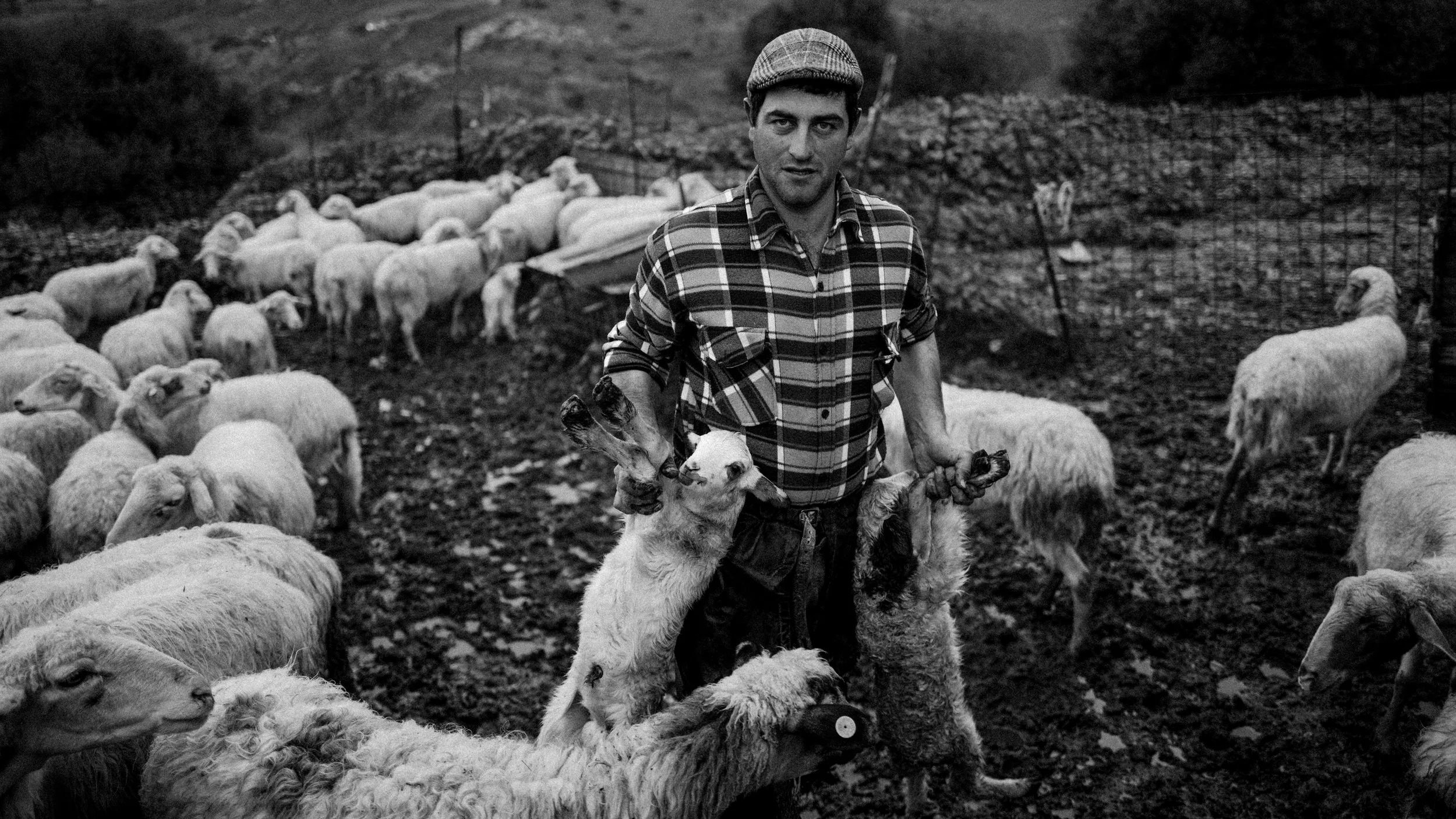
Zina incontra Angelo, il giovane pastore di Sant’Angelo che le spiega come chiamare le pecore. Il video ha avuto un tale successo che in pochi giorni è stato visto da quasi 300mila persone.
Zina meets Angelo, the young shepherd from Sant’Angelo, who teaches her how to call the sheep. The video was such a success that it reached nearly 300,000 views in just a few days.
Secondo voi quante persone sono state coinvolte per realizzare l’opera The Eternal Fall di Loredana Longo?
In your opinion, how many people were involved in creating the work The Eternal Fall by Loredana Longo?
Cosa avrà mai in mente di realizzare Cornelia Konrads?
What might Cornelia be planning to create?
CROSSING the BOUNDARIES of LANDSCAPE
Sikani Land Art
Sant’Angelo Muxaro